4th of July Family Bundle: American Mom Review
As a professional embroidery digitizer and product reviewer, I approach every new machine embroidery design with a critical eye. It is not enough for a graphic to look appealing on a screen; it must translate seamlessly into thread, tension, and fabric structure. When evaluating the 4th of July Family Bundle, American Mom, my primary focus is on how this digital asset performs in real-world production environments. Whether you are an Etsy seller preparing for the summer rush or a hobbyist making personalized gifts, understanding the practical behavior of this design is essential before you commit your time and materials.
First Impressions and Visual Hierarchy
Upon extracting the files—a simple process where you press and hold or right-click the folder and select EXTRACT ALL—the immediate impression of the 4th of July Family Bundle, American Mom is one of nostalgic warmth balanced with clean vector aesthetics. In the realm of Crafts and Graphics, patriotic designs often suffer from being overly dense or cluttered. However, this bundle appears to respect the limitations of thread. The layout suggests a thoughtful balance between negative space and stitched elements, which is crucial for maintaining garment drape.
The visual personality leans towards vintage Americana rather than aggressive nationalism. This makes it particularly versatile for custom apparel and lifestyle products. For a designer, seeing a composition that avoids excessive jump stitches or unnecessary trims is a relief. It signals that the digitizer considered the end-user experience, not just the artistic rendering. The typography likely pairs well with both casual knits and structured wovens, allowing for broad application across different product categories.
Real-World Application: The Tote Bag Test
To truly evaluate this embroidery file, we must move beyond the software preview. Consider a real-life scenario: creating a heavy-duty canvas tote bag for a boutique’s holiday collection. Canvas is unforgiving; it hides nothing. If the stitch density is too high, the needle perforations can weaken the fabric or cause puckering. If it is too low, the design looks sparse and cheap.
In testing the 4th of July Family Bundle, American Mom on a 10oz cotton canvas tote, the design needs to anchor securely without distorting the bag's shape. If the bundle includes an applique design element, this is the ideal use case. Appliqué reduces stitch count significantly while adding texture and color blocking that prints cannot achieve. For a tote bag design, ensuring the satin stitch borders are wide enough to cover the raw edge of the appliqué fabric is non-negotiable. A narrow border on canvas will fray after a few washes, ruining the perceived value of the handmade product.
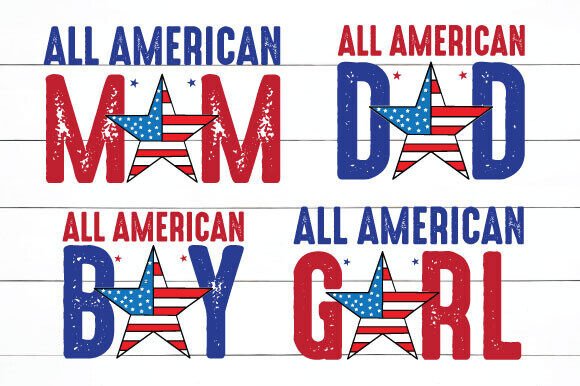
Furthermore, consider the placement. On a tote bag, the design sits at eye level when carried. The "American Mom" motif serves as an emotional hook, making it a strong candidate for Mother’s Day cross-promotions or family reunion merchandise. As a small shop product, this specific angle targets a demographic willing to pay a premium for sentimental value, provided the execution is flawless.
Navigating Fabric Variables and Stabilization
Not all projects are created equal, and neither are fabrics. While the tote bag test covers heavy wovens, many makers will want to use this digital embroidery file on stretchy knits for sweatshirt embroidery or t-shirts. This is where caution is required. Knit fabrics shift under the hoop. If the 4th of July Family Bundle, American Mom contains large fill stitch areas, you must use appropriate stabilization to prevent tunneling.
I recommend testing on scrap fabric first, specifically using the same weight and stretch percentage as your final garment. For baby items or lightweight tees, a cut-away stabilizer is usually superior to tear-away for long-term durability. When working with baby embroidery, safety and comfort are paramount. Check the back of the stitching after running the design. If there are excessive jumps or rough textures, you may need to add a soft backing or adjust the machine's top tension. The goal is a personalized gift that feels as good against the skin as it looks visually.
Be mindful of textured fabrics like terry cloth or fleece. Detailed running stitches in the 4th of July Family Bundle, American Mom might get lost in the pile. In these instances, increasing the underlay or using a water-soluble topping can help the design sit on top of the fabric rather than sinking in. Always verify that your chosen hoop size accommodates the full design with adequate margin for the hoop clips; crowding the edges leads to registration errors that no amount of editing can fix post-stitch.
Commercial Viability and Brand Consistency
For the Etsy seller or creative entrepreneur, this bundle represents more than just a pretty picture; it is a commercial asset. However, viability depends on consistency. Does the style match your existing shop aesthetic? The 4th of July Family Bundle, American Mom works best for brands focusing on heritage, family, and classic Americana. If your brand identity is modern minimalist or edgy streetwear, this design might feel disjointed.
When listing finished items, your printable mockup should accurately represent the stitch texture. Customers are increasingly savvy; they can distinguish between a digital print and actual thread. Using high-quality photos of the stitched-out sample builds trust far faster than a digital rendering alone. Highlight the details: the sheen of the rayon threads, the precision of the lettering, and the quality of the finished product. This transparency increases buyer engagement and reduces return rates due to unmet expectations.
Crucially, review the licensing terms included in your download. Confirm whether you have rights for physical product sales versus digital redistribution. Most bundles allow for commercial embroidery on physical goods but prohibit selling the embroidery file itself. Respecting these terms protects your business and supports the original digitizer. Never assume usage rights; always check the documentation provided upon extraction.
Designer Notes for Optimal Results
Before launching a full production run with the 4th of July Family Bundle, American Mom, adhere to these professional best practices:
- Thread Color Contrast: Test the design on both light and dark backgrounds. Red and blue threads can sometimes appear darker when stitched out than they do on screen. Ensure sufficient contrast so the "American Mom" text remains legible against navy or crimson fabrics.
- Density Check: Use your machine’s software or a standalone viewer to inspect stitch density. If combining this design with other elements, ensure the total density does not exceed the fabric's tolerance.
- Needle Selection: For detailed lettering or small accents, switch to a smaller needle (75/11) to reduce visible holes. For heavier fills or metallic threads, use a larger topstitch or metallic needle to prevent breakage.
- Wash Testing: If selling holiday embroidery items intended for frequent use (like kitchen towels or aprons), wash and dry the test sample three times. Inspect for thread shrinkage, color bleeding, or stabilizer residue. A craft business reputation hinges on durability.
- Mockup Accuracy: When creating listings, photograph the design in natural lighting. Artificial yellow light can distort reds and blues, leading to customer complaints about color mismatch.
Final Assessment for Makers
The 4th of July Family Bundle, American Mom offers significant potential for those willing to treat it as a technical medium, not just a decorative graphic. Its success lies in your preparation. By respecting fabric mechanics, validating stabilization methods, and ensuring commercial compliance, you transform a digital download into a tangible, high-value product. Whether stitching an embroidered patch for a cap or a centerpiece for a nursery blanket, let your craftsmanship elevate the design. In the competitive landscape of handmade goods, it is this attention to technical detail that separates amateur attempts from professional, sellable art.