Baseball Heart SVG Stitch Review for Crafters
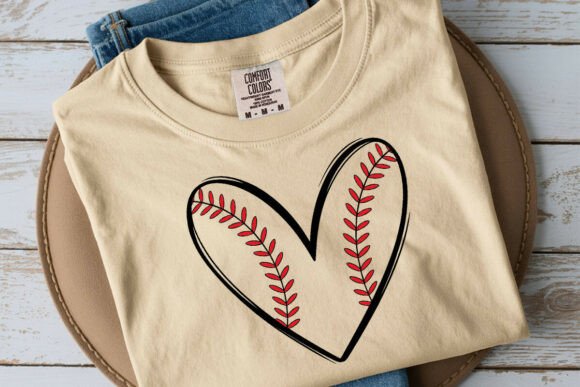
As a designer who spends more time behind an embroidery machine than a computer screen, I approach every new digital asset with a healthy dose of skepticism. When evaluating the Baseball Heart SVG and Baseball Stitch graphics for potential use in my shop, my first question is never about how cute it looks on a monitor. My question is always: will this actually stitch out cleanly on textured fabric without causing registration issues or thread breaks? This specific design captures that quintessential Americana sports aesthetic, blending the organic curve of a heart with the structured geometry of baseball stitching. It is a staple motif for the Crafts category, but its success in real-world application depends entirely on understanding its structural behavior during production.
First Impressions and Visual Personality
Opening the ZIP file containing the single design and bundle options, the immediate impression is one of nostalgic warmth. The layout balances playful sentimentality with athletic structure. For an Etsy seller or handmade shop owner, this visual duality is gold. It avoids being overly cutesy, which makes it versatile enough for adult apparel like sweatshirts and tote bags, while still retaining the charm necessary for baby embroidery or nursery decor. The baseball stitch detail acts as a natural leading line, drawing the eye through the composition. However, from a technical standpoint, those curved stitches are where the challenge lies. In Graphics intended for embroidery, maintaining consistent stitch density along a tight curve requires precise digitizing. If the underlay isn't sufficient, those iconic red stitches can sink into knit fabrics or distort on stretchy materials, turning a crisp design into a wobbly mess.
Real-World Application: The Custom Sweatshirt Test
To truly evaluate this machine embroidery design, I mentally walked through a recent client project involving custom apparel for a local little league fundraiser. We needed a sweatshirt embroidery design that felt personal yet durable enough for active wear. The Baseball Heart SVG fits this niche perfectly because it offers high recognition value. Parents and players instantly connect with the imagery. When applying this to a fleece sweatshirt, the pile of the fabric becomes a variable. I found that treating this as a potential applique design rather than a pure fill stitch project yielded superior results. By using a satin stitch border to secure the heart shape and limiting the interior fill, the design remains soft against the skin. A fully dense fill stitch version of this graphic would create a bulletproof patch of thread that feels stiff and uncomfortable. For commercial embroidery projects targeting comfort, verifying whether the file includes an applique option or if you need to modify the stitch type is crucial before hooping expensive garments.
Navigating Fabric Variables and Stabilizer Choices
Every experienced apparel decorator knows that the file is only half the battle; the substrate dictates the outcome. This Baseball Stitch design demands respect when working with unstable fabrics. On a lightweight jersey tee, standard tear-away stabilizer is often insufficient. The tension required to render clean curves on the baseball stitching can pull the fabric, resulting in puckering around the perimeter. For thin or stretchy fabrics, I strongly recommend using a cut-away stabilizer or a fusible mesh to maintain dimensional stability. Conversely, when moving to heavier items like canvas tote bag designs or aprons, the concern shifts to needle penetration and coverage. The contrast between the thread colors and the fabric texture must be tested. Dark fabrics require a white underlay base to prevent the background color from bleeding through the stitches, especially in the lighter sections of the heart. Always run a test sew-out on scrap fabric that matches your final product's weight and weave. Skipping this step is the fastest way to ruin a personalized gift or waste inventory.
Commercial Viability for Small Business Owners
For creative entrepreneurs and small shop products, versatility drives profit margins. This design asset earns its keep by crossing multiple demographic lines. It works equally well as a holiday embroidery motif for Valentine’s Day sports gifts or as a year-round staple for baseball mom merchandise. However, professional presentation matters. Before listing a finished product, check the licensing terms included in the packet. Confirming whether you have rights for physical sales versus digital redistribution protects your craft business from legal headaches. Additionally, consider how this design translates to printable mockups. Because the lines are distinct and the silhouette is strong, it photographs well for social media marketing. Buyers engage faster with listings that show clear, high-contrast previews. If you are selling the digital embroidery file itself, ensure your sample photos demonstrate the stitch clarity on actual fabric, not just a digital rendering. Customer trust is built on transparency regarding what the final embroidered patch or garment will actually look like.
Technical Considerations for Hoop Sizes and Detail
One area requiring careful judgment is scaling. While vector-based SVGs can resize infinitely on screen, embroidery files have physical limits. Shrinking this Baseball Heart SVG too small for a 4x4 hoop size might cause the satin stitch elements to become too narrow for the machine to form properly, leading to thread shredding or bobbin jams. Enlarging it beyond its original digitized parameters can result in sparse coverage or distorted stitch angles. Always verify the recommended hoop size and maximum dimensions provided by the creator. If the details in the baseball lacing are intricate, they may disappear on textured terry cloth towels or minky blankets. In such cases, simplifying the design or increasing the stitch width in your editing software might be necessary. For detailed corners and tiny lettering often paired with this motif, ensure your machine’s tension is perfectly calibrated. Loose top tension will make fine details look sloppy, undermining the professionalism of your handmade product.
Designer Notes for Successful Execution
Before committing this design to a sellable item, adhere to these practical checkpoints:
- Test on Scrap First: Never assume a file is perfect out of the box. Stitch on a swatch identical to your final project to check for registration errors.
- Check Thread Contrast: Evaluate visibility on both light and dark backgrounds. Adjust thread colors if the baseball stitches blend too much with the heart fill.
- Review Stitch Density: Ensure the design isn't too dense for delicate baby clothes or too sparse for heavy canvas.
- Confirm Licensing: Double-check the included documentation regarding commercial use for finished goods versus digital reselling.
- Mockup Validation: Create black and white mockups to assess value contrast independent of color, ensuring the design reads clearly at thumbnail size.
- Stabilizer Matching: Pair cut-away for knits and tear-away for wovens, adjusting based on the specific fabric texture of your blank.
Ultimately, the Baseball Heart SVG and Baseball Stitch collection represents a valuable addition to any maker’s library, provided it is treated with technical mindfulness. It bridges the gap between sentimental gifting and spirited team apparel, offering broad appeal for Etsy sellers and hobbyists alike. By respecting the interplay between digital design and physical mechanics, you can transform this graphic into a polished, professional-grade product that customers will cherish. Whether you are creating a custom tote bag, a commemorative pillow cover, or a boutique clothing line, success lies in the details of execution. Take the time to understand the file, test your variables, and let the quality of your craftsmanship elevate the design beyond its digital origins.