Bonus Mom Bee Design: An Embroidery Review
When evaluating digital assets for commercial embroidery or personalized gifting, the transition from a screen-based graphic to a tangible stitched product is where the real test lies. As a designer who regularly reviews machine embroidery design files for production viability, I approached the Bonus Mom of the Baby Bee Girl Cute Bee with a critical eye toward its utility in real-world applications. This isn't just about how cute the vector art looks on a monitor; it is about whether this design can withstand the rigors of stitching on various substrates while maintaining visual integrity and emotional resonance.
First Impressions and Visual Hierarchy
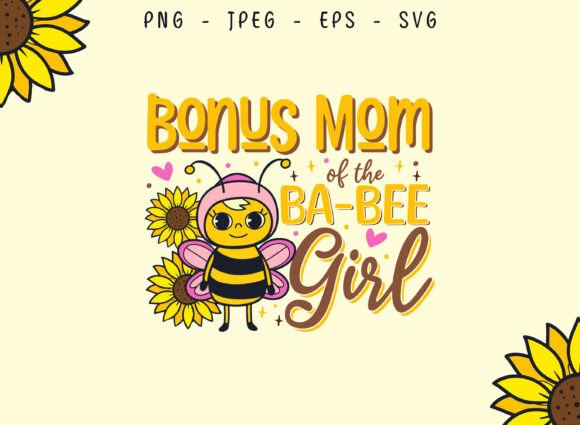
The immediate strength of this Bonus Mom of the Baby Bee Girl Cute Bee asset lies in its clear thematic communication. In the Crafts category, specifically within family-oriented Graphics, clarity is paramount. The design balances whimsy with legibility, which is essential when translating vector shapes into thread. The "Bonus Mom" sentiment carries significant emotional weight, and the bee motif serves as a universal symbol of sweetness and industry without feeling overly juvenile. From a design perspective, the layout appears balanced, suggesting that the digitizer considered the center of gravity—a crucial factor when hooping garments to prevent distortion during high-speed stitching.
The description notes that this is made with 100% vector shapes and is fully resizable. For an embroidery professional, this is a significant advantage over raster-based conversions. Vector origins typically translate to cleaner stitch paths when properly digitized, allowing for scalability without the jagged edges that plague low-resolution source files. The ability to easily change colors for dark or white t-shirts indicates a layered construction that respects fabric contrast, a feature often overlooked in generic clipart but vital for professional apparel decoration.
Real-World Application: The Custom Sweatshirt Test
To truly judge this design, I mentally placed it in a specific production scenario: creating a custom embroidered sweatshirt for a Mother’s Day boutique collection. Sweatshirts are a staple for Etsy sellers and small shop products because they offer a large canvas and high perceived value. However, fleece and French terry fabrics present unique challenges due to their texture and pile.
In this context, the Bonus Mom of the Baby Bee Girl Cute Bee design needs to perform as more than just a pretty picture; it must be structurally sound. If utilizing this as an applique design, the vector lines would serve as excellent placement guides. The "cute bee" elements likely require satin stitch borders to define their shape against the fuzzy sweatshirt background. If the design relies heavily on fill stitch, I would be looking for adequate underlay to prevent the fabric texture from poking through the thread. A design intended for "Bonus Mom" merchandise must look polished, not homemade. Customers buying personalized gifts for stepmothers or bonus mothers are often seeking validation and appreciation; a puckered or poorly registered design undermines that sentiment. This graphic’s clean lines suggest it would stitch out crisply on fleece, provided the correct stabilizer is used to manage the fabric's stretch.
Navigating Fabric Variables and Technical Constraints
Versatility is claimed in the product details, but practical experience dictates caution. While the design is marketed for mugs and t-shirts, these substrates behave vastly differently under an embroidery needle. When adapting this Bonus Mom of the Baby Bee Girl Cute Bee file for different projects, consider the following technical realities:
- Dark vs. Light Fabrics: The mention of easy color changes for dark t-shirts is promising. Dark fabrics absorb light, making thin running stitches disappear. Ensure the digitization includes sufficient density or a lighter outline when stitching on navy or black cotton. Conversely, on white fabrics, verify that the underlay doesn't show through if the top thread coverage is sparse.
- Stretchy Knits: For baby embroidery or lightweight tees, the design’s size matters. Large, dense designs can cause "bulletproofing," where the stitched area becomes stiff and uncomfortable. Test the stitch density on scrap fabric first. If the bee elements are too dense for a onesie, consider resizing or removing background fills to maintain garment drape.
- Curved Surfaces: If applying this to caps or curved tote bag panels, the horizontal span of the text is critical. Wide designs distort on curved surfaces. You may need to separate the "Bonus Mom" text from the bee graphic to accommodate the hoop size and curvature limitations of headwear.
- Small Details: Tiny bee wings or antennae can be problematic. If the design includes minute details, check if they are rendered as satin stitches or running stitches. Running stitches less than 1mm often get lost in the fabric weave. For commercial embroidery, simplifying these micro-details ensures consistency across bulk orders.
Commercial Viability for Makers and Sellers
For creative entrepreneurs and Etsy sellers, time is money. A digital embroidery file that requires extensive editing before stitching cuts into profit margins. The "ready to print" and resizable nature of this Bonus Mom of the Baby Bee Girl Cute Bee asset suggests it is optimized for workflow efficiency. However, always confirm licensing terms before selling finished products or using the design in printable mockups for your listings. Professionalism extends beyond the stitch-out; it includes respecting intellectual property and ensuring your business assets are cleared for commercial use.
The market for "Bonus Mom" items is niche but passionate. Unlike generic "Mom" gear, this targets a specific relationship dynamic. Using this design effectively means pairing it with appropriate branding. It works exceptionally well for holiday embroidery, blended family reunion shirts, or new baby announcements involving step-parents. The visual appeal directly influences buyer engagement; a clean, professional stitch-out photographed on a quality mockup builds customer trust. If the design looks amateurish in your listing photos, buyers will assume the physical handmade product is equally flawed.
Designer Notes for Optimal Results
Before loading this embroidery file into your machine for a client project or inventory run, adhere to these best practices to ensure the Bonus Mom of the Baby Bee Girl Cute Bee design meets professional standards:
- Stabilizer Selection is Non-Negotiable: Do not rely on tear-away alone for knits. Use cut-away stabilizer for sweatshirts and baby clothes to support the stitch density and prevent tunneling. For mugs or non-fabric items, ensure you are using the correct adhesive or specialty hoop system, as standard embroidery tension settings may damage rigid substrates.
- Contrast Testing: Always run a test stitch on the actual fabric you intend to use. Thread colors look different on screen versus in reality. A yellow bee that pops on white might vanish on cream. Adjust thread colors based on physical samples, not digital previews.
- Hoop Size Verification: Confirm the design dimensions fit comfortably within your hoop with at least a half-inch margin. Crowding the hoop leads to registration errors, especially in multi-color designs where alignment is key.
- Mockup Accuracy: When creating digital product previews or Etsy listings, use realistic textures. Since this design allows for color changes, showcase both light and dark variations to demonstrate versatility to potential buyers. This increases the perceived value of your design assets.
- Washability Check: If producing tea towels or aprons, wash-test the sample. Satin stitches can snag, and fill stitches can shrink. Ensuring the Bonus Mom of the Baby Bee Girl Cute Bee design survives laundering is essential for long-term customer satisfaction and repeat business.
Ultimately, this design represents a strong intersection of sentimental value and technical adaptability. By treating it as a professional component of your embroidery business rather than just a decorative element, you elevate the quality of your finished products. Whether you are crafting a personalized gift for a loved one or building a commercial apparel line, success lies in understanding how the digital file interacts with the physical world. Respect the fabric, test your variables, and let the craftsmanship of the embroidery honor the heartfelt message of the design.