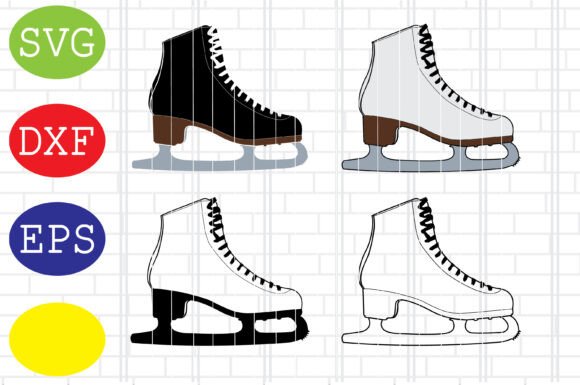
Figure Skating Cheerleaders SVG: A Stitch Test
As a designer who spends more time behind an embroidery machine than at a computer screen, I approach every new digital asset with a healthy dose of skepticism. When I first opened the Figure Skating Cheerleaders Svg file, I wasn't just looking for cute aesthetics; I was evaluating stitchability. In the world of Crafts and Graphics, there is often a disconnect between how a vector looks on a monitor and how it performs when needle meets fabric. This design captures a specific niche energy—the intersection of winter sports and spirit wear—but my primary concern was whether that visual personality would translate into a durable, professional machine embroidery design.
First Impressions and Visual Hierarchy
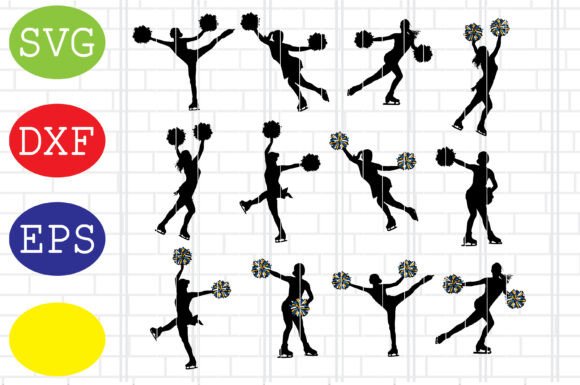
The initial mood of this design is undeniably energetic. It balances the elegance associated with ice skating graphics with the high-spirited motion of cheerleading. For an Etsy seller or small shop product creator, this duality is valuable because it appeals to two distinct buyer demographics simultaneously. However, from a technical standpoint, my eyes immediately went to the extremities. Cheerleader designs often feature pom-poms and extended limbs, which can be notorious trouble spots in embroidery. If the lines are too thin or the details too intricate, you risk thread breaks and registration issues.
I appreciated that the silhouette felt intentional rather than cluttered. A good embroidery file understands negative space. This design seems to respect the limitations of thread, avoiding the "coloring book" trap where every pixel is filled with dense stitching. This restraint suggests it could work well as either a traditional fill stitch piece or potentially an applique design, depending on how you choose to execute it in your software.
Real-World Application: The Team Sweatshirt Test
To truly evaluate this asset, I mentally placed it in a real-life scenario: creating custom warm-up sweatshirts for a local youth figure skating team. This is a classic custom apparel project that demands durability and washability. Kids are rough on clothes, and ice rinks are cold, meaning these garments will be washed frequently and layered constantly.
In this context, the Figure Skating Cheerleaders Svg needs to hold up against fleece texture. Fleece is unforgiving; it tends to swallow fine details. If I were stitching this out, I would likely scale the design up to at least 4x4 inches to ensure the facial features and pom-pom textures remain distinct. Using a proper stabilizer is non-negotiable here. A cut-away stabilizer would be my choice to prevent the design from distorting after the first wash. The goal is a finished product that looks as crisp after ten laundry cycles as it did fresh out of the hoop.
For commercial embroidery purposes, this versatility is key. While the sweatshirt is the obvious choice, I can also envision this working beautifully on a tote bag design for skating moms or as a decorative accent on a nursery pillow for a personalized gift. The clean lines suggest it would digitize cleanly for patches as well, provided the border is reinforced with a strong satin stitch.
Navigating Fabric Challenges and Hoop Limitations
Not every project is a stable cotton sweatshirt, and this is where caution is required. If you plan to use this winter sport svg on stretchy performance wear or lightweight knits, you must test first. Stretch fabrics move while stitching, causing gaps in outlines. Because cheerleader poses are dynamic, any misalignment in the arms or legs will be glaringly obvious. I always recommend running a test stitch-out on scrap fabric that matches your final project's weight and stretch factor before committing to the actual garment.
Small hoop size constraints also demand attention. While the included files offer flexibility, resizing a complex figure down to fit a 2x2 inch cap or baby onesie can result in lost detail. Tiny lettering or slender skate blades may turn into thread blobs at small scales. If you are making baby embroidery items, consider simplifying the design or using only the central figure element if your software allows editing. Always verify the minimum recommended size to maintain stitch clarity.
Dark fabrics present another variable. If you are stitching white skaters onto navy blue velvet or black polyester, contrast is your friend. However, dense white fill stitches on dark fabric can sometimes cause "grin-through," where the dark fabric shows through the threads. Using a topping or underlay specifically designed for dark fabrics can mitigate this, ensuring the thread colors pop without requiring excessive density that makes the patch stiff and bulletproof.
Professional Presentation and Business Value
Beyond the physical stitch-out, we have to talk about the business side. For creative entrepreneurs and handmade shop owners, presentation drives sales. The inclusion of JPG, EPS, DXF, and SVG formats in the zip file is excellent for workflow efficiency. I strongly advise using the JPG or converting the SVG to create high-quality printable mockups before you ever thread a needle. Customers need to visualize the embroidered patch or shirt to trust the quality.
When listing this as part of your design assets or finished goods, transparency builds buyer confidence. Be clear about what the design is best suited for based on your own testing. If you found that it works better as a chest logo than a full-back print, say so. This practical honesty reduces returns and increases positive reviews. Furthermore, always double-check the licensing terms included with the file. Confirming whether you have rights for both personal use and commercial embroidery protects your business and ensures you are operating ethically within the crafting community.
Essential Designer Notes for Success
Before you load this digital embroidery file into your machine, run through this practical checklist derived from years of production experience:
- Verify Compatibility: Ensure the SVG or DST/PES (if converted) works seamlessly with your specific machine brand. Not all machines read generic SVGs directly for stitching without conversion.
- Check Stitch Density: Open the file in your embroidery software to inspect density settings. If it feels too dense for your chosen fabric, adjust the pull compensation or reduce density to prevent puckering.
- Mockup in Black and White: Viewing the design in grayscale helps identify contrast issues that color might hide. This is crucial for holiday embroidery where tonal variations matter.
- Stabilizer Selection: Match your stabilizer to the fabric, not just the design. Tear-away for stable wovens, cut-away for knits, and water-soluble toppings for textured fabrics like terry cloth or fleece.
- Thread Color Contrast: Test thread colors against the actual garment fabric under good lighting. Screen colors rarely match rayon or polyester thread perfectly.
- Licensing Confirmation: Re-read the license file in the zip. Understand the difference between selling the digital file (usually prohibited) and selling the handmade product created from it.
The Figure Skating Cheerleaders Svg offers a charming, thematic option for winter collections, team gear, and personalized gifts. Its success, however, relies entirely on the maker’s understanding of their materials and machine. By treating this graphic not just as art but as a blueprint for physical construction, you elevate your work from hobbyist to professional. Whether you are crafting a boutique item for sale or a sentimental gift for a young skater, taking the time to test, stabilize, and refine your process ensures that the final stitched result honors the spirit of the sport and the quality of your craftsmanship.