Home Mom Design: A Crafter’s Stitch Test Review
When evaluating a new machine embroidery design for my shop, I look past the digital preview and immediately imagine how it will behave under the needle. The "Home Mom" graphic arrives as an instant digital download, providing both an Adobe Illustrator AI source file and an SVG file. For those of us in the Crafts and Graphics space, having vector source files is a significant advantage. It allows for precise resizing and color separation before we even open our digitizing software. However, a beautiful vector on screen does not always guarantee a flawless finished product on fabric. As a designer who creates custom apparel and personalized goods daily, I approached this design with a critical eye toward its real-world application in commercial embroidery and personal projects.
First Impressions and Visual Personality
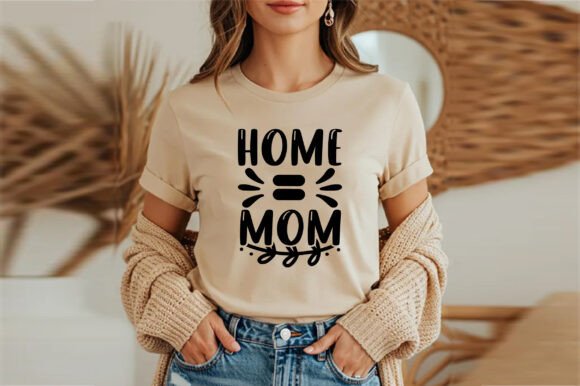
My initial assessment of Home Mom is that it carries a warm, nostalgic aesthetic that resonates deeply with current market trends. The layout suggests a balance between playful typography and domestic iconography, making it instantly recognizable as a lifestyle or family-oriented motif. For an Etsy seller or small shop product creator, this visual personality is crucial. It needs to communicate "handmade" and "thoughtful" within seconds. The design feels less like generic clip art and more like a curated boutique asset. When I visualize this as a sweatshirt embroidery project, I can see it appealing to mothers looking for comfortable yet stylish statement pieces. The lines appear clean enough to translate well into stitches, but the true test lies in how those vectors convert to satin stitch, fill stitch, and running stitch elements during the digitization process.
Real-World Application: The Canvas Tote Test
To truly judge the viability of Home Mom, I mentally ran through a specific production scenario: creating a premium canvas tote bag design for a Mother’s Day collection. Tote bags are a staple for any craft business, but they present unique challenges due to the coarse weave of canvas and the need for durability. In this context, Home Mom shows great promise, provided you adjust your strategy. If the design includes intricate interior details, I would recommend simplifying them for this application. Heavy canvas requires a robust stabilizer, and overly dense stitching can cause puckering or needle breaks.
For this tote project, I envision using the SVG file to create a bold, blocky version of the design rather than a delicate script. This ensures the embroidery project remains legible from a distance and withstands the wear and tear of daily use. As a personalized gift, this application works beautifully because the sturdy nature of the tote matches the enduring sentiment of the "Home Mom" theme. Customers appreciate when the medium matches the message, and this design facilitates that connection effectively.
Navigating Fabric Challenges and Hoop Limitations
While Home Mom is versatile, experienced makers know that not all fabrics treat digital embroidery file conversions equally. You must exercise caution when applying this design to stretchy knits or textured surfaces. If you are planning baby embroidery on onesies or lightweight cotton, the stitch density becomes the primary concern. Vector graphics often lack inherent stitch direction data, meaning your digitizing choices dictate the drape. A design that looks light on screen can become a bulletproof vest on a baby garment if filled too heavily.
I also advise testing this design on dark fabrics before committing to a full production run. Depending on the original color palette of the Graphics file, you may need to add an underlay or adjust thread colors to maintain contrast. Dark navy or charcoal sweatshirts are popular for holiday embroidery, but they can swallow fine details. Furthermore, be mindful of your hoop size. While the AI and SVG files allow for infinite scaling, pushing the design too large can distort proportions, while shrinking it too small risks losing definition in the lettering. Always verify the minimum readable size for your specific machine and thread weight.
Enhancing Product Value and Brand Consistency
Using a cohesive design like Home Mom across multiple products helps build brand recognition for creative entrepreneurs. Whether you are selling design assets or physical goods, consistency breeds trust. When a customer sees this motif on an embroidered patch, a nursery pillow, and a kitchen towel, it reinforces the professional identity of your shop. However, value is only added if the execution is flawless. A poorly stabilized applique design or jagged lettering will devalue the item regardless of how cute the concept is.
For those selling printable mockups or digital previews, the included AI file is invaluable. You can create high-resolution marketing materials that perfectly match the physical handmade product. This alignment between digital presentation and physical reality reduces returns and increases buyer confidence. Just remember that customers are buying the finished stitch-out, not the vector. Your reputation relies on bridging that gap successfully.
Essential Designer Notes for Success
Before listing any item featuring Home Mom or using it for client work, adhere to these practical protocols:
- Always Test Stitch: Never skip the sample run on scrap fabric that matches your final project's weight and texture. Check for registration issues between color changes.
- Verify Licensing: Since this is an instant download, confirm whether your purchase includes commercial rights for selling finished items or if it is limited to personal use. This is vital for Etsy sellers and business owners.
- Check File Compatibility: Ensure your digitizing software imports the SVG or AI file correctly without losing nodes or curves. Not all programs interpret vector paths identically.
- Evaluate Washability: If making tea towels or custom apparel, wash and dry your test sample aggressively. Ensure the stitch density holds up and the fabric doesn't distort around the design area.
- Mockup Reality Check: Compare your digital mockups against actual stitch-outs in both natural and artificial lighting. Colors often shift between screen RGB and thread sheen.
- Stabilizer Selection: Match your backing to the fabric, not just the design. A cut-away might be necessary for the stretchy knit version of Home Mom, while a tear-away suffices for canvas.
Final Thoughts for Makers and Sellers
Home Mom offers a strong foundation for a variety of embroidery file applications, from sentimental holiday gifts to everyday boutique merchandise. Its inclusion of editable source formats empowers designers to tailor the artwork to specific substrates and hoop constraints, which is a massive benefit over static, pre-digitized files. However, the success of this design ultimately depends on your technical judgment. By respecting fabric limitations, testing rigorously, and leveraging the vector assets for consistent branding, you can transform this digital download into a profitable and beloved addition to your product lineup. Treat the design as a starting point for your craftsmanship, and your customers will recognize the quality in every stitch.