Love You Mom Design: An Embroidery Review
As a professional embroidery digitizer and product reviewer, I approach every new machine embroidery design with a critical eye. It is not enough for a graphic to look beautiful on a screen; it must translate flawlessly through needle and thread. When evaluating the Love You Mom - Mother’s Day Design, my primary focus is on its viability as a commercial asset for small business owners and its durability as a sentimental keepsake. This review breaks down how this digital bundle performs when moved from the computer monitor to the embroidery hoop, specifically for those creating custom apparel and personalized gifts.
First Impressions and Visual Hierarchy
Upon opening the embroidery file, the immediate impression is one of balanced sentimentality. The layout avoids the cluttered aesthetic that often plagues holiday-specific graphics. Instead, it offers a clean visual hierarchy that respects the negative space necessary for successful stitching. For an Etsy seller or boutique owner, this is crucial. A design that is too dense can cause fabric puckering, while one that is too sparse may lack perceived value. This design strikes a middle ground, suggesting it was created with actual stitch physics in mind rather than just vector art conversion.
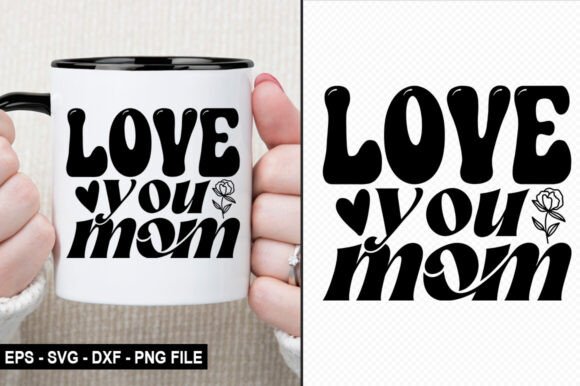
The typography appears legible at various sizes, which is the first test for any text-based digital embroidery file. In the Crafts category, readability is king. If the customer cannot read "Love You Mom" from three feet away on a sweatshirt, the design fails its purpose. The stylistic choices here suggest a modern yet timeless appeal, making it suitable for both trendy custom apparel and traditional heirloom projects.
Real-World Application: The Sweatshirt Test
To truly evaluate this asset, I mentally placed it in a real-life production scenario: creating a premium crewneck sweatshirt for a Mother’s Day capsule collection. Sweatshirts present unique challenges due to their fleece backing and stretchy knit face. When planning this embroidery project, I considered how the design would interact with the fabric texture.
For this specific application, the Love You Mom - Mother’s Day Design serves as an excellent center chest placement. However, because sweatshirts are thick, I would recommend verifying the stitch density before running production. If the design utilizes heavy fill stitch areas, you must use a robust cut-away stabilizer to prevent the garment from becoming stiff or bulletproof. Conversely, if the design relies heavily on running stitch or delicate linework, a tear-away might suffice, but only after testing on scrap fleece. The goal is a finished product that feels soft against the skin, not like a patch of armor.
I also envision this working beautifully as a tote bag design. Canvas totes are stable and forgiving, making them ideal for showcasing intricate details that might get lost on knit fabrics. For a handmade product line, pairing this design with natural cotton canvas creates a high-contrast, eco-friendly aesthetic that resonates with modern mothers.
Navigating Fabric Limitations and Hoop Sizes
While versatile, this design requires strategic placement depending on the substrate. As an experienced designer, I must caution against using complex versions of this graphic on highly textured fabrics like terry cloth towels or minky blankets without proper modification. The texture can swallow fine details. If you intend to use this for baby embroidery on a blanket, ensure the design has been simplified or backed with a water-soluble topping to keep the stitches crisp.
Hoop size compatibility is another practical consideration. Before purchasing or stitching, confirm that the dimensions fit your machine’s capabilities without requiring excessive re-hooping. Multi-position hooping increases the margin for error and alignment issues. For small shop product creators, efficiency is profit. A design that fits within a standard 5x7 or 6x10 hoop allows for faster turnaround times compared to larger formats.
Be particularly careful with dark fabrics. If the thread colors specified in the file are pastel or light, they will pop beautifully on navy or black garments. However, if the design includes white elements intended for white fabric, you will need to edit the file for dark backgrounds to avoid a washed-out appearance. Always run a printable mockup or a digital simulation in contrasting colors to verify visibility before committing to expensive blanks.
Commercial Viability and Brand Consistency
For the craft business owner, this design represents more than just a seasonal item; it is a tool for brand building. The aesthetic is professional enough to maintain brand consistency across different product lines. Whether applied to an apron, a pillow cover, or a nursery wall hanging, the design maintains a cohesive identity. This recognition factor is vital for repeat customers who associate your shop with quality holiday embroidery.
When listing this as part of your inventory, the presentation matters. Use the design to create high-quality photos of actual stitched samples rather than relying solely on digital renders. Customers trust what they can see stitched out. Showing the design on a model wearing sweatshirt embroidery or holding a finished tote bag bridges the gap between digital asset and tangible personalized gift. It demonstrates that you have vetted the product and guarantees the outcome.
Furthermore, consider the licensing. As a commercial embroidery user, you must verify whether this digital bundle permits the sale of finished physical goods versus the resale of the digital file itself. Most reputable designers allow for physical product sales, which is where the true value lies for makers. Never assume; always check the included license terms to protect your business.
Essential Designer Notes for Success
To ensure the Love You Mom - Mother’s Day Design meets professional standards, adhere to these practical guidelines:
- Test Stitch First: Never run a new design directly on a client’s garment or expensive blank. Always test on similar fabric weight and weave to check for registration issues or density problems.
- Verify Thread Contrast: Ensure the chosen thread colors provide sufficient contrast against the base fabric. Low contrast reduces legibility and visual impact.
- Check Stabilizer Pairing: Match your stabilizer to the fabric stretch and design density. Knits require cut-away; wovens can often use tear-away. Toppings are essential for high-pile fabrics.
- Inspect Small Details: Zoom in on the design file to check for tiny satin columns or isolated stitches that may break during production. Edit these out if they are smaller than 1mm.
- Mockup Validation: Create black and white mockups to test value contrast independent of color. If the design reads well in grayscale, it will be visually strong in color.
- Licensing Compliance: Confirm you have the right to use this design for your specific business model, whether that be selling finished embroidered patches, apparel, or digital assets.
Final Thoughts on Production Value
The Love You Mom - Mother’s Day Design shows strong potential for both hobbyists and professionals. Its success ultimately depends on the maker's understanding of embroidery mechanics. By respecting fabric limitations, verifying technical specifications, and presenting the final work professionally, this graphic can become a staple in your Mother’s Day catalog. Remember, in the world of Graphics and textiles, the best design is one that stitches out as beautifully as it looks on screen. Treat this digital bundle as a starting point for your craftsmanship, not just a plug-and-play solution, and your customers will appreciate the difference in quality.