Retro Vintage Golf Mom T-shirt Design Review
As a professional embroidery digitizer and product reviewer, I approach every new machine embroidery design with a critical eye. It is not enough for a graphic to look appealing on a screen; it must translate effectively into thread, fabric, and finished merchandise. When evaluating the Retro Vintage Golf Mom T-shirt Design, my primary focus is on its viability for real-world production. This digital asset arrives as a ZIP folder containing everything needed for immediate use, but the true test lies in how these design assets perform under the needle and in the marketplace.
First Impressions and Visual Personality
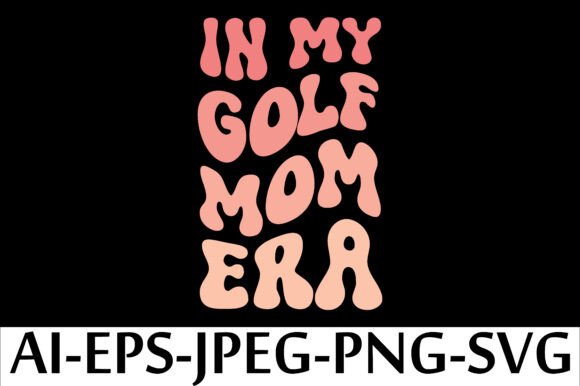
Upon opening the files, the Retro Vintage Golf Mom T-shirt Design immediately communicates a specific niche aesthetic. The "retro vintage" style suggests a color palette that leans toward muted tones, distressed textures, or classic typography rather than neon brights or modern minimalism. For an Etsy seller or boutique owner, this visual personality is a significant advantage. It taps into current trends where nostalgia meets active lifestyle branding. The layout appears balanced for apparel, specifically targeting the center chest or upper back placement common in custom apparel.
The mood is playful yet sophisticated, avoiding the overly cutesy trap that some mom-centric designs fall into. This maturity in the artwork makes it suitable for a wider demographic, from new mothers to grandmothers who enjoy the sport. As a digital embroidery file, the artwork seems optimized for clarity, which is essential when converting graphics into stitches. However, because this is a digital product and no physical sample was mailed, the burden of verification falls on the maker to ensure the digitizing supports this vintage aesthetic without losing definition.
Real-World Application: The Sweatshirt Test
To truly judge this design, I mentally placed it in a production scenario: creating a premium crewneck sweatshirt for a fall craft fair or online shop listing. Sweatshirts are a staple for sweatshirt embroidery, but their fleece texture can be unforgiving. In this context, the Retro Vintage Golf Mom T-shirt Design needs to have adequate underlay and stitch density to prevent the fabric texture from showing through the embroidered areas.
If the design utilizes fill stitch areas to create that vintage shading effect, I would verify that the stitch direction varies to mimic fabric grain rather than looking like a flat block of thread. For a handmade product intended for sale, this distinction separates amateur work from professional merchandise. If the design includes text elements typical of "Golf Mom" branding, the lettering height must be sufficient to remain legible on nubby fleece. A personalized gift version of this sweatshirt could involve adding a name below the main motif, so checking the negative space in the original layout is crucial before committing to a production run.
Fabric Compatibility and Technical Constraints
While marketed as a T-shirt design, versatility is key for any craft business. I evaluated how this graphic might adapt to other substrates. On lightweight cotton tees, stabilizer choice becomes paramount. A cut-away stabilizer is likely necessary to support the stitch count without causing puckering, especially if the design features dense satin stitch borders or lettering. Conversely, if you plan to adapt this for a tote bag design on canvas, the heavier fabric weight offers more forgiveness, potentially allowing for higher density without distortion.
Caution is advised for curved surfaces. While the title specifies "T-shirt," many makers attempt to resize apparel designs for caps. Unless the Retro Vintage Golf Mom T-shirt Design was specifically digitized with a cap hoop's curvature in mind, flattening it onto a curved surface may result in registration issues. Similarly, for baby embroidery or delicate items, the design might be too dense or physically large. Always check the dimensions against your intended hoop size before stitching. Stretchy performance fabrics used in actual golf wear also present challenges; the design must have enough flexibility in the stitch structure to move with the garment without breaking threads or distorting the image.
Commercial Viability and Brand Consistency
For those selling finished goods, the Retro Vintage Golf Mom T-shirt Design serves as a potential anchor product. Its specific niche allows for targeted marketing, but it also requires consistent presentation. When creating a printable mockup for your shop, ensure the digital preview accurately reflects what the finished product will look like. Customers trust sellers whose photos match reality. If the design has a distressed vintage look, your mockup should reflect that texture rather than showing solid, shiny vector art.
This design also holds potential beyond apparel. Consider adapting it for an embroidered patch that customers can iron onto existing gear, or as a decorative element on a golf towel or apron. These smaller small shop product variations can increase average order value. However, always confirm the licensing terms included in your ZIP folder. Understanding whether you have rights for commercial embroidery versus digital resale protects your business and respects the original creator's intellectual property.
Essential Pre-Stitch Designer Notes
Before running this design on a sellable garment or a cherished holiday embroidery project, adhere to these professional best practices:
- Test on Scrap Fabric First: Never assume a digital file is perfect for your specific machine and fabric combination. Run a test stitch-out on material that matches your final project's weight and weave.
- Verify Stabilizer Pairing: Match your stabilizer to the fabric, not just the design. Lightweight knits need different support than woven cottons or canvas.
- Check Thread Color Contrast: Vintage designs often rely on subtle tonal shifts. Test your thread colors against both light and dark backgrounds to ensure the details remain visible and the retro vibe is preserved.
- Inspect Small Details: Zoom in on the file within your embroidery software. Look for tiny text or thin lines that might get lost during resizing. If details are smaller than 4mm, consider simplifying them for better stitch clarity.
- Review Stitch Density: Use your software’s density tools to identify hot spots. Excessive density causes needle breaks and fabric damage, while low density looks cheap.
- Confirm Licensing: Read the documentation in the ZIP folder carefully. Ensure your intended use, whether for commercial embroidery or personal gifting, aligns with the provided license.
- Mockup Accuracy: When listing online, use realistic textures in your previews. Misleading customers with flat digital art when the product is textured embroidery leads to returns and negative reviews.
Evaluating Value for Makers and Sellers
The Retro Vintage Golf Mom T-shirt Design represents a specific intersection of trend and utility. For the hobbyist, it offers a charming project for Mother’s Day or birthday gifts. For the professional decorator, it provides a ready-made solution for a high-demand niche. The quality of the final output depends entirely on the maker's diligence in testing and adaptation. By treating this embroidery file as a starting point rather than a guaranteed result, you elevate the perceived value of your work.
Ultimately, successful apparel decoration relies on understanding the relationship between digital art and physical thread. This design has the visual appeal to attract buyers and the thematic relevance to resonate with the target audience. With proper testing, appropriate stabilizer selection, and attention to fabric compatibility, it can become a reliable asset in your digital library. Whether you are producing custom apparel for a local tournament or building an inventory of unique gifts for your Etsy shop, approaching this design with technical mindfulness ensures your finished products meet the high standards your customers expect.