Diagnosed but Mom Said No: Embroidery Review
As a professional embroidery digitizer and product reviewer, I approach every new graphic with a specific question: will this actually stitch out cleanly on fabric? When evaluating Diagnosed but Mom Said No, my assessment goes far beyond the digital preview. This design carries a distinct personality that resonates deeply within the parenting and neurodivergent communities, making it a high-potential asset for Etsy sellers and small shop owners. However, translating screen-based graphics into a tangible handmade product requires careful technical consideration. The phrase itself implies humor, resilience, and relatability, suggesting that the final finished product needs to balance readability with aesthetic warmth.
First Impressions and Emotional Resonance
Upon opening the provided files—including the AI, SVG, PNG, EPS, DXF, and PDF formats—my immediate focus is on the typography and layout. For a machine embroidery design, text-heavy graphics like Diagnosed but Mom Said No live or die by their legibility. The mood here is playful yet affirming. It does not feel clinical; it feels like an inside joke shared between parents or a badge of honor for caregivers. This emotional connection is vital for commercial embroidery success because customers are buying the sentiment as much as the item itself.
From a design perspective, the layout appears versatile enough for various applications. Whether you are creating custom apparel, a tote bag design, or nursery decor, the visual hierarchy must remain intact. If the font is too ornate, the message gets lost in the texture of the fabric. If it is too plain, it lacks the handmade charm that justifies a premium price point. As a reviewer, I appreciate that this graphic falls under both Crafts and Graphics categories, signaling its dual utility for digital printing and physical stitching, though my primary concern remains its performance as an embroidery project.
Real-World Application: The Sweatshirt Test
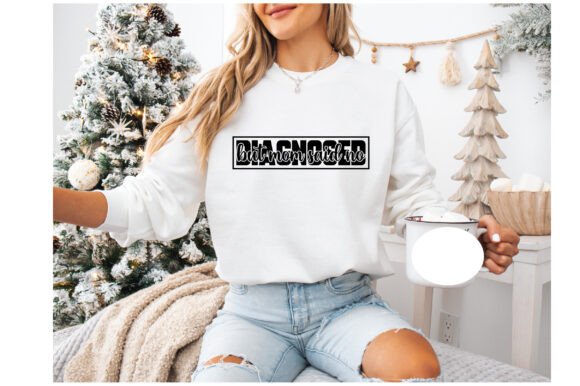
To truly evaluate this asset, I mentally place it in a real-life production scenario. Imagine preparing a custom crewneck sweatshirt for a client who wants a personalized gift for a fellow special needs mom. Sweatshirts are a staple for craft business owners due to their popularity and higher perceived value compared to standard t-shirts. However, fleece and French terry fabrics present unique challenges for sweatshirt embroidery.
In this scenario, Diagnosed but Mom Said No would likely serve as a center-chest or full-back placement. The key to success here is managing stitch density. Fleece is thick and can swallow fine details. If the original graphic uses thin lines, they must be converted to a robust satin stitch or a dense fill stitch to sit on top of the fabric pile rather than sinking into it. I would recommend testing this design on a scrap piece of similar weight fleece before committing to a final personalized gift. Using a tear-away or cut-away stabilizer appropriate for stretchy knits is non-negotiable to prevent puckering, which would ruin the professional look of the garment.
Navigating Fabric Textures and Hoop Limitations
While sweatshirts are ideal, many makers want to use this design across multiple substrates. Here is where practical judgment is required. Diagnosed but Mom Said No may face difficulties on highly textured surfaces like terry cloth towels or uneven-weave canvas bags. In these cases, the negative space within letters can become distorted during stitching. For baby embroidery items like onesies or bibs, the hoop size becomes a limiting factor. Baby garments have small stitchable areas, and resizing a complex phrase design too small can result in thread breaks or illegible text.
If you intend to use this as an applique design, ensure the letter shapes are wide enough to accommodate the tack-down stitches and the satin border. Narrow serifs or intricate script elements in Diagnosed but Mom Said No might need to be simplified or modified in your digitizing software before stitching. Always verify that the design fits comfortably within your machine’s maximum stitch area without requiring excessive re-hooping, which increases the margin for error in alignment.
Technical Considerations for Digital Assets
The product description confirms you receive high-resolution 300 DPI files in multiple vector and raster formats. This is excellent news for versatility. The AI and EPS files are crucial for those who need to modify the design assets before digitizing. Perhaps you want to add a small icon, change the font color for better contrast against dark fabric, or adjust the kerning for a specific embroidered patch shape. Having editable source files allows creative entrepreneurs to adapt the design rather than being locked into a single static image.
However, a critical reminder for all users: always check licensing terms before selling. While the files are ready for printed t-shirts, mugs, and stickers, the rights regarding digital embroidery file resale versus finished physical product sales vary significantly between creators. Confirm whether you can sell the digitized version itself or only the embroidered end product. This distinction protects your small shop product listings from copyright claims and ensures ethical business practices.
Optimizing Visual Appeal and Customer Trust
For Etsy sellers and boutique owners, presentation is everything. Before listing a product featuring Diagnosed but Mom Said No, create accurate printable mockups and, ideally, photograph a physical sample. Customers need to see how the thread colors interact with the garment color. A white thread on a cream sweatshirt might look elegant in a digital file but disappear in real life. High contrast ensures the humor and message land effectively.
Furthermore, consider the longevity of the item. Will this design hold up to frequent washing? For holiday embroidery or everyday wear, using high-quality polyester or rayon threads and proper topping stabilizers prevents the design from looking worn after a few cycles. Professionalism in execution builds buyer trust. When a customer receives a custom apparel item where the text is crisp, centered, and stable, they associate that quality with your brand, not just the original graphic designer.
Practical Designer Notes for Success
Based on my evaluation of Diagnosed but Mom Said No, here are actionable steps for integrating this graphic into your workflow:
- Test Stitch First: Never run this design on a final product without a test sew-out on similar fabric. Check for registration issues between color changes.
- Evaluate Font Weight: If the provided graphic has thin strokes, increase the column width in your digitizing software to at least 2mm for reliable satin stitching.
- Stabilizer Selection: Match your stabilizer to the fabric. Use cut-away for stretchy knits and tear-away for stable wovens. Consider water-soluble topping for textured fabrics to keep stitches visible.
- Color Contrast Check: View the design in grayscale to ensure readability relies on value contrast, not just hue difference. This is essential for accessibility and visual impact.
- Mockup Verification: Use the included 300 DPI PNG for realistic digital previews, but always disclose if the image is a mockup versus a photo of the actual stitched item.
- Licensing Compliance: Review the specific usage rights for this graphic to confirm eligibility for commercial sale of both physical goods and potential digital derivatives.
Ultimately, Diagnosed but Mom Said No is a strong candidate for makers serving the parenting and advocacy niche. Its success depends entirely on thoughtful execution. By respecting the technical constraints of embroidery and leveraging the provided high-quality file formats, you can transform this digital graphic into a meaningful, durable, and profitable handmade product that resonates authentically with your audience.