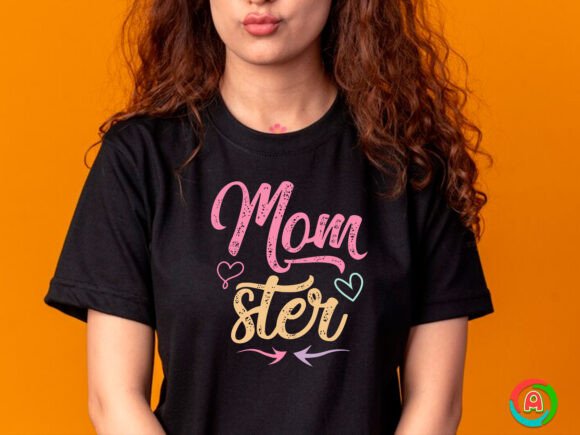
Mom Star: A Designer’s Review for Real Embroidery Projects
When evaluating a new graphic for my embroidery business, I look past the initial screen preview and focus entirely on how the artwork will translate into thread. As a designer who regularly creates custom apparel and personalized gifts, I need assets that are not just visually appealing but technically sound for production. The Mom Star design caught my attention because it sits at the intersection of sentimental value and clean geometry, two elements that often clash in machine embroidery. After reviewing the vector files included in this package, I have some practical insights for fellow makers, Etsy sellers, and apparel decorators considering this asset for their next collection.
First Impressions: Visual Balance and Stitch Potential
My immediate reaction to Mom Star was relief at its structural clarity. In the Crafts and Graphics category, we often see overly intricate illustrations that turn into dense, bulletproof patches when digitized. This design avoids that trap. The star shape provides a natural boundary that contains the typography and decorative elements without requiring excessive underlay or complex compensation. Visually, it strikes a balance between playful and polished. It does not feel like a generic clip-art insertion; rather, it has enough personality to serve as a standalone motif on a sweatshirt or a subtle accent on a baby bib.
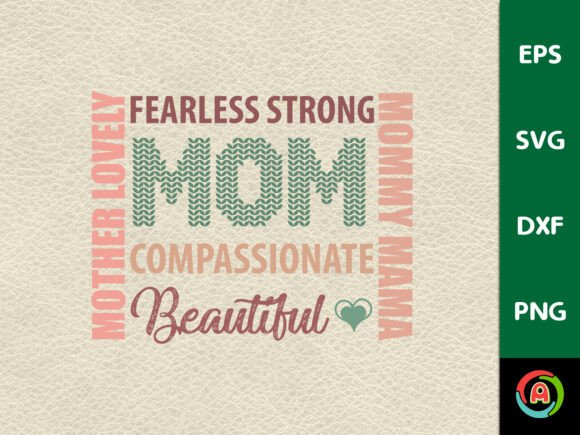
Because the product includes EPS, SVG, DXF, and PNG files, I was able to inspect the vector nodes before even thinking about digitizing. The lines are smooth and intentional, which suggests that when converted into an embroidery file, the resulting satin stitch columns and fill stitch areas will be clean. For a handmade product, this visual crispness is what separates professional merchandise from amateur crafting. The adaptable color palette mentioned in the product details is accurate; the design relies on shape and form rather than complex shading, making it incredibly versatile for different thread colors and fabric backgrounds.
Real-World Application: The Custom Tote Bag Test
To truly judge Mom Star, I mentally walked through a recent client request for a "Mom Life" themed tote bag. Canvas totes are unforgiving; the fabric texture can swallow fine details, and the heavy weight requires proper stabilizer management. This design is an ideal candidate for this specific embroidery project. The bold geometry of the star allows for a slightly wider stitch width, ensuring the design remains visible against the woven canvas texture.
I envision using a contrasting thread color for the star outline to create a framed effect, with the internal text executed in a durable fill stitch. For a small shop product or Etsy listing, this application offers high perceived value. Customers recognize clean lines on textured fabrics as a sign of quality. Furthermore, because the design is vector-based, I could easily scale it down for a matching cosmetic pouch or up for a nursery wall hanging without losing integrity. This seamless scalability is crucial for creative entrepreneurs who want to maximize the ROI of a single digital embroidery file across multiple product types.
Technical Considerations for Apparel and Accessories
While Mom Star is versatile, successful commercial embroidery depends on matching the design to the right substrate. Here is how I would approach using this asset across different categories:
- Custom Apparel and Sweatshirts: This is the sweet spot. Fleece and cotton blends provide a stable base. However, always account for fabric push-and-pull. If you are digitizing this yourself from the provided vectors, ensure your stitch density accounts for the loft of the fleece so the star doesn't sink in.
- Baby Embroidery and Onesies: The design works beautifully here due to its compact nature. However, baby clothes require softness. Avoid heavy backing. Use a lightweight cut-away stabilizer and consider a topping if the knit is loose. The design’s simplicity means fewer needle penetrations, keeping the garment comfortable against sensitive skin.
- Caps and Curved Surfaces: Proceed with caution. While the star shape is generally cap-friendly, verify the vertical height. Caps have limited stitching fields. You may need to adjust the aspect ratio slightly or reduce detail to prevent registration issues on the curved surface.
- Kitchen Towels and Tea Towels: These are high-wash items. Ensure your stitch type is secure. A running stitch outline might pull out over time; a narrow satin stitch or bean stitch edge will anchor the Mom Star design more effectively for long-term durability.
Navigating Fabric Challenges and Hoop Sizes
Every experienced embroiderer knows that a design is only as good as its stabilization strategy. Mom Star is forgiving, but it is not immune to physics. On stretchy fabrics like performance tees or ribbed knits, the geometric rigidity of the star can cause tunneling if the stabilizer is insufficient. Always test on scrap fabric first. I recommend a fusible no-show mesh for stretchy materials to lock the fabric grain before stitching.
Regarding hoop size, confirm your machine's capabilities before starting. While the vector art scales infinitely, your physical hoop does not. If you plan to use this as a large back print on a hoodie, ensure you have the appropriate hoop and that the design fits within the safe stitching area. Conversely, if resizing for a small embroidered patch or sleeve cuff, check the minimum legible size for any text elements within the star. Tiny lettering often gets lost in translation from screen to stitch; you may need to simplify the interior details for sizes under 3 inches.
Business Value for Sellers and Makers
For those running a craft business or selling on platforms like Etsy, Mom Star offers distinct advantages beyond aesthetics. The inclusion of PNG files allows for immediate creation of printable mockups. Before I even thread my machine, I can overlay the high-resolution PNG onto digital product photos to gauge customer interest or create listing images. This saves significant sampling time and helps validate whether the design resonates with my specific niche.
Furthermore, having access to the raw EPS and SVG files means I am not locked into a pre-digitized format that might not suit my specific machine or tension settings. I can import the vectors into my embroidery software and customize the stitch types—perhaps changing a standard fill to a motif fill for a vintage look, or adjusting the underlay for a specific fabric type. This level of control is essential for maintaining brand consistency. When customers buy a personalized gift from my shop, they expect a certain standard of clarity and finish. Using high-quality source graphics like Mom Star ensures that the finished product reflects that professionalism.
Essential Pre-Production Checklist
Before adding Mom Star to your production queue or digital storefront, run through this practical checklist to ensure success:
- Verify Licensing: Confirm whether your purchase includes commercial rights for selling finished products or if it is for personal use only. This is critical for Etsy sellers and small business owners.
- Test Stitch Density: Even with perfect vectors, digitizing variables matter. Run a sew-out on the actual fabric you intend to sell. Check for gaps between the star border and internal elements.
- Contrast Check: View the design in black and white. If the design relies solely on color contrast rather than value contrast, it may fail on similar-colored fabrics. Ensure the stitch structure defines the shape independently of thread color.
- Stabilizer Match: Document which stabilizer worked best during testing. Consistency is key for repeat orders and custom apparel batches.
- Mockup Validation: Use the included PNG to create realistic previews, but always add a disclaimer that actual embroidery may vary slightly from the digital proof. This manages buyer expectations and builds trust.
Mom Star represents a solid addition to any embroiderer’s digital library. It bridges the gap between emotional resonance and technical reliability, making it suitable for everything from holiday embroidery projects to everyday boutique merchandise. By respecting the technical requirements of the fabric and leveraging the flexibility of the provided vector formats, makers can turn this graphic into a profitable, high-quality staple in their product lineup. Whether you are creating a heartfelt personalized gift or scaling up production for a seasonal launch, this design provides the foundational quality necessary for professional results.