Dog Mom Design Review: Real Embroidery Use
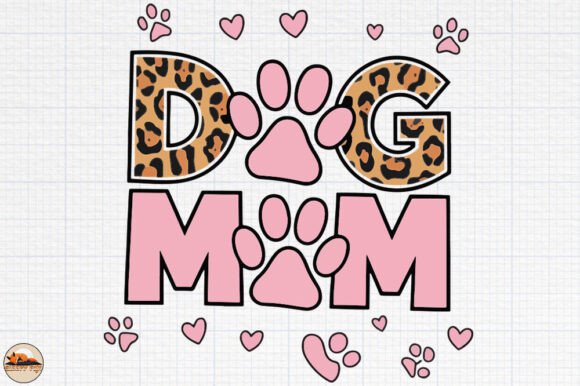
As a professional embroidery digitizer and product reviewer, I approach every new graphic with a specific question: will this actually stitch out well on fabric? When evaluating the Dog Mom, Mother s Day, Dog Lover Design, my first impression is that it carries the right emotional weight for the niche. The layout suggests a balance between playful typography and illustrative elements that define the "dog mom" aesthetic. However, moving from a high-resolution PNG or vector SVG to a physical machine embroidery design requires careful translation. This review breaks down how this graphic performs when adapted for real-world custom apparel and handmade products, specifically focusing on the technical realities of stitching for clients and personal projects.
Translating Vector Graphics to Stitched Reality
The provided assets include a 4500×5400 PNG at 300 dpi, along with SVG, PDF, and EPS files. For an Etsy seller or craft business owner, these formats are excellent for creating crisp printable mockups and digital listings. However, for embroidery, these serve as reference art rather than direct stitch files. The high resolution allows you to zoom in and analyze line integrity before digitizing. When I look at this Dog Mom, Mother s Day, Dog Lover Design, I am checking for areas that might become too dense or lose definition when converted to thread.
The visual personality of this design leans towards warmth and relatability, making it ideal for Mother s Day merchandise. In a real-life scenario, I recently prepared a custom order for a boutique selling pet-themed gifts. We wanted to use a similar dog lover graphic on a canvas tote bag design. The challenge was maintaining the whimsical feel without the stitches sinking into the heavy fabric. Because this design likely features a mix of text and iconography, you must decide early whether to treat elements as applique design sections or full fill stitch areas. Applique reduces stitch count significantly and adds texture contrast, which is often superior for large graphics on bags and sweatshirts compared to solid fill.
Performance on Apparel and Home Goods
When applying this design to sweatshirt embroidery or hoodies, the scale is your best friend. The vertical aspect ratio implied by the file dimensions suits center-chest placements perfectly. For commercial embroidery projects targeting the pet parent demographic, clarity is paramount. Customers buying personalized gifts expect professional results. If the lettering in the design is script-heavy, ensure your digitizing maintains open counters in the letters so they do not close up during washing. On fleece fabrics, using a water-soluble topping is non-negotiable to prevent the stitches from disappearing into the pile.
For smaller items like baby onesies or kitchen towels, the Dog Mom, Mother s Day, Dog Lover Design may need resizing. This is where understanding stitch density becomes critical. Reducing a design by 50% does not automatically reduce the stitch count proportionally; it often increases density, leading to puckering or needle breaks. If adapting this for baby embroidery, I recommend simplifying internal details and utilizing more running stitch outlines rather than heavy satin columns. This keeps the garment soft and safe against sensitive skin while retaining the recognizable silhouette of the original artwork.
Navigating Fabric Challenges and Hoop Limitations
Not every surface is friendly to detailed graphics. While this design is versatile, you must exercise caution with textured fabrics like terry cloth or waffle knit. Intricate details in the dog illustration can get lost visually. In these cases, increasing the underlay and perhaps adding a border helps frame the design and separate it from the busy background texture. Similarly, if you are attempting this on stretchy performance wear, your stabilizer choice dictates success. A cut-away stabilizer is essential to prevent distortion, as the tension from a complex embroidery project can warp lightweight knits permanently.
Hoop size constraints also play a role. If you are working with a standard 4x4 hoop, you may need to split the Dog Mom, Mother s Day, Dog Lover Design or remove secondary elements. Never force a design into a hoop that is too small by over-tightening; this leads to registration errors where the outline does not match the fill. For larger hoops, ensure you have adequate margin for the presser foot clearance. When stitching on curved surfaces like caps, verify that the design’s height does not exceed the cap’s stitchable area. Flat designs often distort on curves unless specifically digitized with compensation for the cylindrical shape.
Ensuring Commercial Viability and Customer Trust
For those running a small shop product line, consistency builds brand trust. Using this design across multiple mediums—mugs, stickers, and shirts—creates a cohesive collection. The included vector files allow for perfect matching in print, while your embroidered versions add premium value. However, always verify licensing. Just because you possess the digital embroidery file or source art does not guarantee commercial rights for finished goods. Confirm that the creator permits selling physical items made from this design before listing them in your Etsy shop or boutique.
Visual appeal directly correlates to perceived value. A finished product with clean edges, appropriate thread tension, and readable text justifies a higher price point. When reviewing this design for my own production line, I consider the end user. A dog mom receiving this as a gift wants to see the passion in the details. If the thread colors clash or the contrast is low against the fabric, the emotional impact diminishes. Always test color combinations on scrap fabric first. What looks vibrant on a backlit monitor screen may appear muddy on navy cotton. Creating a physical color chart for this specific design saves time and prevents costly re-stitches.
Practical Notes for Makers and Digitizers
Before committing this Dog Mom, Mother s Day, Dog Lover Design to a final product, follow this practical checklist derived from years of production experience:
- Test Stitch First: Never run a new design on a customer’s garment without a sew-out on similar scrap fabric. Check for puckering, thread breaks, and alignment issues.
- Analyze Small Details: Inspect tiny elements like whiskers or paw pads. If they are thinner than 1mm, they may need to be removed or thickened to prevent needle damage.
- Check Contrast: View your printable mockup in black and white. If the design loses legibility without color, adjust your digitizing to rely less on color differentiation and more on structural contrast.
- Stabilizer Matching: Pair the stabilizer weight to the fabric and design density. Heavy designs on light fabric require heavier support; light designs on heavy fabric may need tear-away options.
- Mockup Accuracy: Use the provided high-res PNG to create realistic previews for your online store, but clearly label them as digital representations if the actual stitch-out varies slightly in texture.
- Licensing Verification: Double-check the terms for both the graphic art and any auto-digitizing software used. Ensure you are cleared for both personal gifting and commercial embroidery sales.
Ultimately, the Dog Mom, Mother s Day, Dog Lover Design offers significant potential for makers who respect the medium. It bridges the gap between trendy graphics and timeless sentiment. By treating the source files as a blueprint rather than a final destination, and by applying rigorous testing protocols, you can transform these digital assets into high-quality, sellable merchandise that resonates with pet lovers everywhere. Whether you are creating a one-off holiday embroidery gift or stocking your shelves for Mother's Day, success lies in the thoughtful execution of every stitch.