Hockey Mom Design Review: Real Embroidery Insights
As a professional embroidery digitizer and product reviewer, I approach every new machine embroidery design with a critical eye. When evaluating the "Hockey Mom, Hockey Mom Shirt, Cricut Cut" file for potential use in a commercial or personal setting, my primary concern is not just how it looks on a screen, but how it translates to needle and thread. This design asset sits at the intersection of digital graphics and tangible crafts, making it a versatile candidate for various projects. However, versatility requires careful planning. Before you load this embroidery file into your machine or list a finished product in your Etsy shop, it is essential to understand its structural integrity, aesthetic appeal, and practical limitations in real-world production scenarios.
First Impressions and Visual Personality
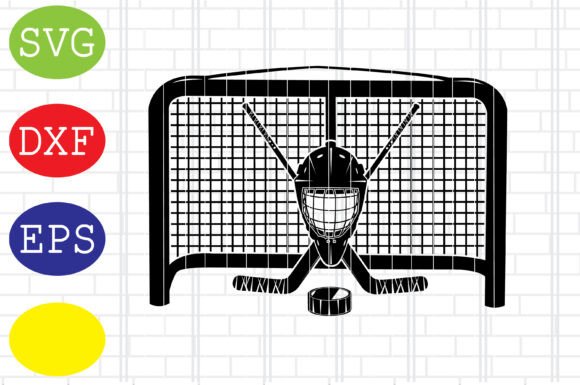
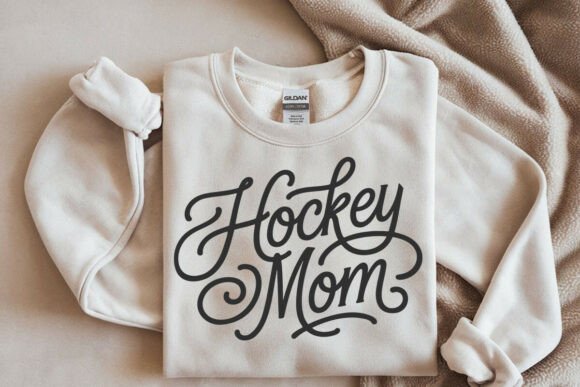
Upon opening the ZIP file containing the single design assets, the immediate impression is one of spirited community pride. The typography and layout suggest a bold, energetic mood that resonates deeply with sports families. As a graphic intended for both vinyl cutting and embroidery, the lines appear clean, which is a positive indicator for digitizing potential. For an Etsy seller or craft business owner, this visual personality is crucial; it signals to the buyer that the item was made with specific intent rather than generic clip art.
The design naturally lends itself to casual, durable goods. It does not feel delicate or formal; instead, it evokes images of early morning rink visits, team snacks, and loud cheering. This emotional connection is what sells custom apparel and personalized gifts. However, because the original asset is marketed heavily toward Cricut and Silhouette users, an embroiderer must verify that the vector paths have been properly converted to stitch types. A design optimized for vinyl weeding often lacks the necessary underlay or pull compensation required for stable stitching on fabric. My first step would be to inspect the node structure to ensure it functions as a true digital embroidery file rather than a mere outline trace.
Real-World Application: The Rink-Side Tote Bag Test
To truly evaluate this design, I envision a specific, high-use case: a personalized canvas tote bag for a hockey mom carrying gear, water bottles, and extra gloves. This scenario tests the design’s durability and readability. In this context, the "Hockey Mom" motif serves as both identification and a badge of honor. When stitching this onto a heavy canvas tote bag design, the choice of stitch type becomes paramount.
If the design features large block letters, I would recommend using a fill stitch with a textured pattern rather than a dense satin stitch. Satin stitches on wide areas can cause fabric distortion and create a stiff, bulletproof patch that detracts from the bag's utility. Conversely, if the design includes intricate skate blades or stick details, those elements require precise running stitches or narrow satin columns. For a sweatshirt embroidery project, the strategy shifts slightly. Fleece fabrics tend to swallow fine details, so the design may need to be scaled up or simplified to maintain clarity. In my experience creating handmade products for this demographic, legibility from a distance is key. A mom needs to spot her bag across a crowded bench area instantly. Therefore, contrast between thread colors and the base fabric is non-negotiable. White thread on a navy bag works beautifully; grey thread on a heather grey sweatshirt will fail visually, regardless of how perfect the digitizing is.
Navigating Fabric Challenges and Technical Limits
While the Hockey Mom theme is universally appealing, the physical application requires caution. Not all garments are created equal, and this design will perform differently across substrates. When working with stretchy performance fabrics common in athletic wear, you must use appropriate stabilizer. A cut-away stabilizer is mandatory here to prevent the design from warping after washing. If you attempt this sweatshirt embroidery on a lightweight, moisture-wicking tee without adequate support, the result will be puckered and unprofessional.
Caps present another significant challenge. Curved surfaces distort flat designs. If this file has not been specifically digitized for caps (with a center-outward stitch direction and adjusted spacing), avoid using it on structured hats unless you are comfortable editing the file yourself. Similarly, be wary of using complex versions of this design on textured fabrics like terry cloth towels or ribbed knits. The texture can compete with the design, causing small details to get lost. For baby embroidery items, such as a bib or onesie for a sibling, safety and comfort take precedence. Ensure there are no long jump stitches on the back that could snag tiny fingers, and keep the stitch density low to prevent the garment from becoming too rigid against sensitive skin.
Small hoop sizes also demand scrutiny. If you are limited to a 4x4 hoop, check whether the design retains its impact when scaled down. Tiny lettering often turns into a thread nest when reduced below a certain threshold. In such cases, it is better to use a simplified version or focus on a single icon element rather than forcing the full layout into an inadequate space.
Commercial Viability and Brand Consistency
For those running a small shop product line or selling on platforms like Etsy, consistency builds trust. Using this design across multiple product categories—hoodies, tumblers, and bags—creates a cohesive collection. However, you must ensure the embroidery quality matches the digital mockup. Customers who buy based on a crisp printable mockup expect the finished product to reflect that same precision. If the registration is off or the thread tension is loose, it damages your brand reputation.
Furthermore, always verify licensing. The product description mentions separate files and zip archives, but it does not explicitly detail commercial usage rights for embroidered goods. As a responsible business owner, confirm whether you can sell physical items made with this design or if it is restricted to personal use. Selling commercial embroidery products without proper licensing exposes you to legal risk. Additionally, consider the perceived value. A well-executed embroidery design elevates a blank garment into a premium item. If the design feels cheap or poorly executed, it lowers the perceived value of your entire shop. Invest time in testing to ensure the final output justifies your price point.
Essential Designer Notes for Success
Before committing to a full production run, adhere to these practical guidelines to ensure the best results with the Hockey Mom design:
- Test Stitch First: Never stitch directly onto a final product without a test run on similar scrap fabric. Check for registration issues, density problems, and overall size appropriateness.
- Verify File Compatibility: Since the listing mentions ZIP/RAR files, ensure you have the correct software to extract and convert the design to your specific machine format before starting.
- Check Thread Contrast: View the design in black and white during the editing phase to ensure tonal separation exists. This predicts visibility better than color viewing alone.
- Stabilizer Selection: Match your stabilizer to the fabric weight and stretch. Use tear-away for stable wovens and cut-away for knits and stretch materials.
- Inspect Small Details: Zoom in to 100% in your software to check for gaps between objects or overlapping stitches that could cause needle breaks or fabric tears.
- Mockup Accuracy: When creating listings, use realistic textures in your mockups. Avoid overly glossy or flat previews that misrepresent the tactile nature of embroidery.
- Licensing Confirmation: Read the included documentation thoroughly regarding commercial use for both digital files and physical embroidered patches or apparel.
Ultimately, the "Hockey Mom, Hockey Mom Shirt, Cricut Cut" asset offers excellent potential for makers and entrepreneurs. Its thematic strength aligns perfectly with current market trends in sports family merchandise. By applying professional judgment regarding stitch mechanics, fabric compatibility, and commercial ethics, you can transform this digital graphic into a high-quality, desirable product that celebrates the hockey lifestyle authentically. Whether you are crafting a holiday gift for a coach or stocking your boutique for the upcoming season, success lies in the details of execution.