Hockey Goalie Net Svg: An Embroidery Design Review
First Impressions for the Embroidery Studio
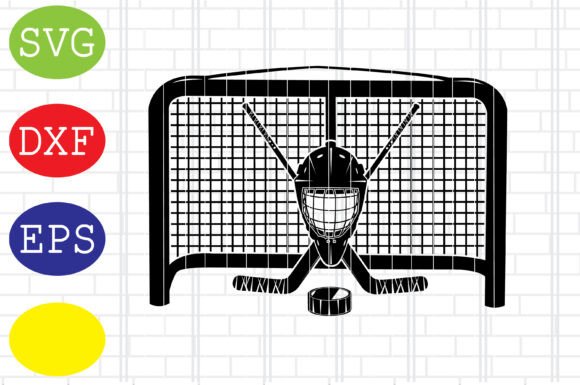
When I first opened the Hockey Goalie Net Svg file, my immediate focus was on the structural integrity of the lines. As an experienced designer and reviewer, I look past the digital preview to visualize how vector paths will translate into physical thread. This design captures a distinct winter sport aesthetic without feeling cluttered. The mood is active yet contained, making it versatile for both competitive team gear and nostalgic fan merchandise. Unlike generic clip art, this graphic possesses a visual weight that suggests it was created with crafting in mind.
The inclusion of multiple formats—SVG, DXF, JPG, and EPS—is standard for graphics, but crucial for embroidery digitizers. The SVG provides clean nodes for auto-digitizing software, while the high-resolution JPG serves as an excellent reference template if you prefer manual digitizing to control every stitch type. For those of us running a craft business or Etsy shop, having these assets ready means less time prepping files and more time focusing on stitch quality and product development.
Real-World Application: Stitching a Custom Gear Bag
To truly evaluate this design, I applied it to a real-world scenario: creating a personalized gift for a youth goalie. I chose a heavy canvas tote bag intended to carry damp equipment. This project tested the design’s durability and visual impact on a textured surface. A hockey goalie net is defined by its mesh and frame; in embroidery, this requires balancing detail with stability.
I approached the digitizing process by assigning specific stitch types to different elements of the Hockey Goalie Net Svg. The outer frame demanded a sturdy satin stitch to mimic the metal piping, providing a crisp boundary. However, the netting itself required careful consideration. A dense fill stitch would have made the canvas stiff and prone to puckering. Instead, I utilized a specialized running stitch pattern to simulate the mesh. This reduced the stitch density significantly while maintaining the recognizable texture of a goalie net. The result was a lightweight, flexible embroidered patch that looked professional and felt integrated into the fabric rather than sitting heavily on top of it.
Fabric Compatibility and Stabilizer Strategy
This design performs exceptionally well on stable, medium-to-heavy weight fabrics. Canvas, denim, twill, and fleece are ideal candidates for sweatshirt embroidery or custom apparel. The bold geometry of the net and sticks holds up beautifully against the nap of fleece or the weave of canvas. When working with these materials, a cut-away stabilizer is non-negotiable to prevent the open areas of the net from distorting during washing.
However, caution is required when adapting this machine embroidery design for stretchy knits or thin performance wear. The intricate angles of the net can cause tunneling on jersey material if not properly supported. If you plan to use this for baby embroidery or lightweight summer tees, I strongly recommend testing on scrap fabric first. You may need to simplify the internal mesh details or add a light tear-away topping to keep the stitches from sinking into the fabric texture. Always verify your hoop size before starting; the aspect ratio of a goalie net is often wider than it is tall, which can be tricky for standard 4x4 hoops.
Navigating Small Details and Textured Surfaces
One challenge with winter sport graphics is scaling. While the Hockey Goalie Net Svg scales infinitely as a vector, thread has physical limitations. If you intend to resize this design down for a cap, sleeve cuff, or pocket logo, you must adjust the digitizing parameters. Tiny corners in the net mesh can turn into thread nests at small sizes. In these instances, converting fine details to simple running stitches or removing secondary mesh lines preserves clarity. Remember, a readable design at two inches is far superior to a detailed but messy blob.
For textured fabrics like terry cloth towels or pique polos, the open spaces of the net can get lost. Using a water-soluble topping helps push the pile down so the satin stitches defining the goal frame remain visible. This attention to fabric interaction is what separates a hobbyist attempt from a professional handmade product that customers trust and repurchase.
Commercial Viability for Makers and Sellers
From a business perspective, this design offers significant value for Etsy sellers and boutique owners. Hockey culture is passionate, and niche designs like a specific goalie net often outperform generic logos because they speak directly to the player's position. This makes it perfect for personalized gifts, team mom shirts, or end-of-season banquet items. The clean lines also photograph well, making it easier to create accurate printable mockups for your online listings.
When selling finished products, presentation matters. The versatility of this graphic allows for brand consistency across different items. You could offer a matching set featuring the net on a towel, the sticks on a hat, and a combined layout on a blanket. This cohesion encourages higher cart values. Furthermore, because the design includes EPS and DXF files, it bridges the gap between digital product sellers and physical embroiderers. You can sell the digital embroidery file to other makers or use it yourself to create exclusive merchandise.
Critical Designer Notes Before You Stitch
Before loading this design into your machine, please adhere to these practical checkpoints to ensure success:
- Verify Licensing: Always confirm the commercial license terms included in your zip file before selling finished items or digital derivatives. Protecting your business starts with respecting intellectual property.
- Test Stitch Density: Run a test sew-out on the exact fabric you plan to use. Check if the net mesh pulls the fabric or if the satin borders are too thick. Adjust compensation settings accordingly.
- Thread Color Contrast: Test the design in black and white mockups and real thread. White netting on white fabric requires a darker outline or shadow stitch to be visible. Conversely, dark nets on navy fabric need sufficient contrast to pop.
- Check Hoop Constraints: Measure the final dimensions carefully. Do not assume the design fits your hoop just because it loads. Rotate the design 90 degrees if necessary to maximize hoop space and reduce re-hooping.
- Inspect Corner Integrity: Zoom in on the digitized file to ensure sharp corners have proper tie-ins and tie-offs. Loose threads at the net intersections can unravel after the first wash.
Elevating Your Winter Sport Collection
The Hockey Goalie Net Svg is more than just a seasonal graphic; it is a functional asset for serious embroidery projects. Its balance of geometric structure and thematic relevance makes it a reliable choice for everything from commercial embroidery contracts to heartfelt holiday gifts. By treating the digitizing process with respect for the physical properties of thread and fabric, you transform a simple vector file into a high-value product.
Whether you are decorating a boutique line of winter apparel or stitching a one-of-a-kind keepsake for a young athlete, this design provides the foundation for professional results. Take the time to test, stabilize correctly, and tailor the stitch types to your specific application. That extra effort is exactly what builds customer trust and establishes your reputation as a skilled maker in the crafts community. When executed well, this design doesn't just look good on screen—it feels right in the hand and lasts through seasons of play.