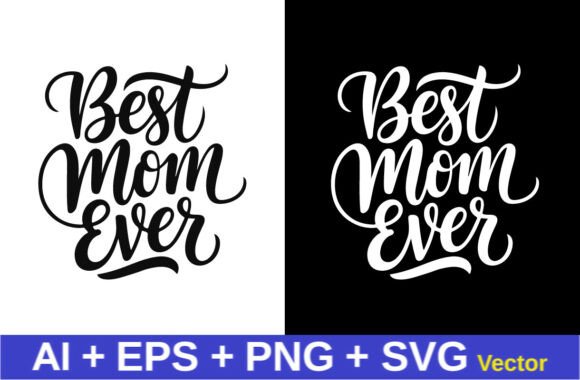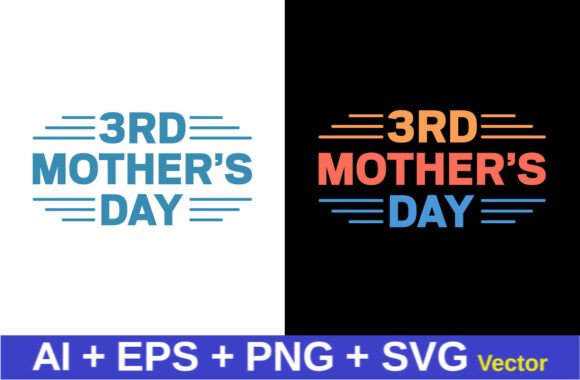
Mothers Day Tshirt Design: A Maker's Review
As a professional designer and product reviewer, I approach every new graphic asset with a critical eye toward its final physical form. When evaluating the Mothers Day Tshirt Design, Mom Shirt, my first thought isn't just about how it looks on a screen, but how it translates into thread, ink, and fabric. While this product description highlights its origins for screen printing and digital DTG (Direct-to-Garment) printing, experienced makers know that versatile graphics often serve as the foundation for mixed-media projects. For embroidery designers, Etsy sellers, and craft business owners, understanding the crossover potential of this design is essential before committing it to a hoop or a print platen.
First Impressions and Visual Personality
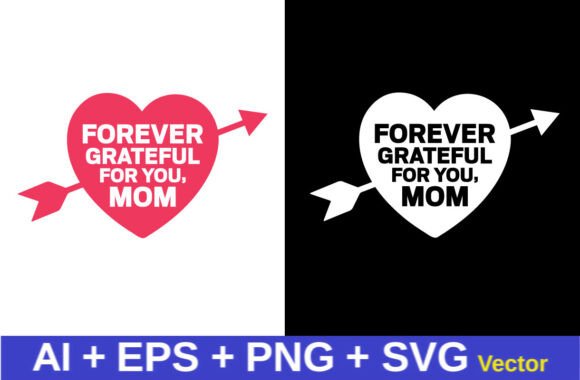
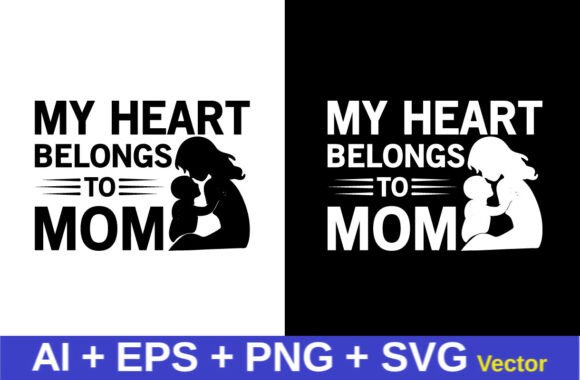
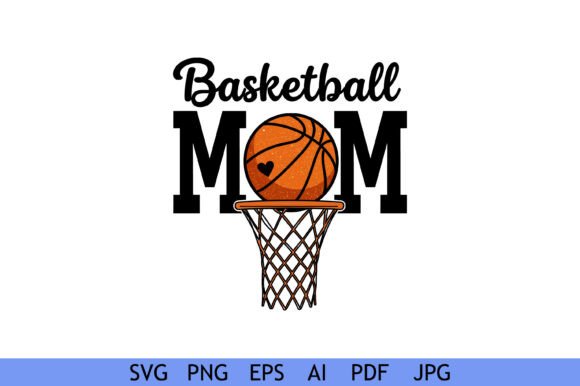
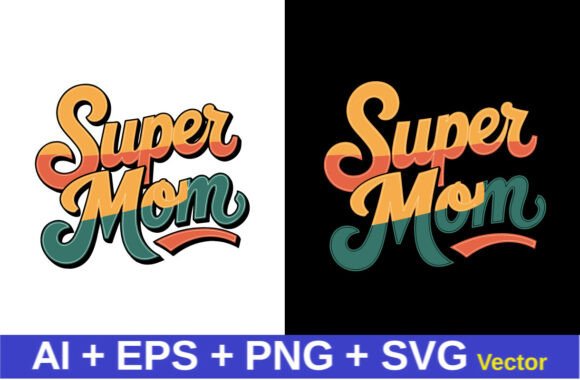
The initial visual assessment of this Mothers Day Tshirt Design, Mom Shirt suggests a clean, accessible aesthetic intended for broad appeal. Because it was originally optimized for DTG and screen printing, the artwork likely features distinct color separations and clear lines rather than the subtle gradients found in painted illustrations. From an embroidery perspective, this is actually advantageous. Designs created for print often have defined boundaries that translate well into satin stitch borders and fill stitch areas. The mood feels celebratory yet functional, fitting perfectly into the category of personalized gifts and custom apparel.
For a handmade product, the visual weight matters. This design appears balanced enough to serve as a centerpiece on a sweatshirt or a subtle accent on a tote bag. It avoids the overly complex shading that can cause puckering or excessive stitch density when digitized. As a graphic asset, it carries a professional polish that instills buyer confidence, whether you are selling the finished embroidered item or using it as part of a printable mockup for your online shop.
Real-World Application: The Custom Sweatshirt Test
To truly judge the viability of this design, I mentally placed it in a real-life production scenario: creating a premium crewneck sweatshirt for a Mother’s Day capsule collection. In this context, the Mothers Day Tshirt Design, Mom Shirt needs to perform on fleece-backed cotton, which presents unique challenges compared to standard t-shirt jersey.
In this scenario, I would treat the original graphic as a template for a hybrid applique design. Instead of stitching out thousands of fill stitches to replicate a printed image, I would use the bold shapes of the design to guide fabric placement. This reduces stitch count significantly, keeping the sweatshirt soft and wearable—a crucial factor for customer satisfaction. The design’s layout allows for easy personalization; perhaps adding a family name below the main motif using a complementary running stitch font. This adaptability makes it a high-value asset for small shop products where customization drives sales. Whether applied via commercial embroidery machines or used strictly for DTG printing, the design maintains its structural integrity across different mediums.
Navigating Fabric Limitations and Hoop Constraints
While the versatility of this design is a strength, creators must be mindful of where it might struggle. Because it is marketed for both boys and girls, the sizing is likely variable, but users must verify specific dimensions before purchasing.
- Stretchy Fabrics: If applying this design to thin knits or performance wear, the original print file lacks inherent stabilization data. You must pair it with appropriate cut-away stabilizer to prevent distortion during embroidery or washing.
- Textured Surfaces: On terry cloth towels or plush blankets, fine details from the original graphic may get lost. You may need to simplify the design or add a topping stabilizer to ensure clarity.
- Small Hoop Sizes: Verify the aspect ratio. A design optimized for adult DTG printing might be too wide for a 4x4 embroidery hoop without significant resizing, which could compromise detail integrity.
- Dark Fabrics: Since this is a print-first design, check if it includes white underbase layers. For embroidery on dark garments, you will need to create your own underlay strategy to ensure thread colors pop against black or navy fabric.
Additionally, curved surfaces like caps require specialized consideration. A flat graphic designed for a t-shirt chest does not automatically map correctly to a cap frame. Always test the curvature before running a full production batch to avoid registration issues.
Impact on Product Value and Brand Perception
The quality of your source material directly influences the perceived value of your finished product. Using a high-quality graphic like the Mothers Day Tshirt Design, Mom Shirt signals professionalism. For Etsy sellers and boutique owners, consistency in design assets builds brand recognition. When customers see crisp lines, thoughtful color choices, and appropriate scale, they trust the maker’s expertise.
Furthermore, this design supports multiple revenue streams. It functions equally well as a standalone digital embroidery file (once properly digitized), a heat transfer vinyl cut file, or a direct-print graphic. This multi-format utility maximizes the return on investment for creative entrepreneurs. However, always confirm licensing terms. Ensure you have the right to sell finished products or modified digital assets, as "commercial use" varies significantly between vendors. Protecting your business starts with respecting intellectual property.
Essential Designer Notes for Successful Execution
Before launching this design into your production queue, adhere to these practical checkpoints to ensure a flawless result:
- Test Stitch First: Never run this design on a final garment without testing on scrap fabric identical to your project. Check for pull compensation issues and thread tension.
- Verify Color Contrast: View the design in black and white. If the contrast disappears, the design will look muddy when stitched in similar-toned threads. Adjust thread colors to maintain definition.
- Check Licensing: Confirm whether the license covers commercial embroidery, digital resale, or only physical end-products. Documentation is key for business safety.
- Mockup Validation: Use printable mockups to visualize the design on various garments before production. This helps identify scaling issues that aren't apparent in editing software.
- Stabilizer Selection: Match your stabilizer to the fabric weight. A design meant for heavy cotton tees will destroy delicate baby clothes if the wrong backing is used.
- Detail Inspection: Zoom in to 100% to inspect tiny lettering or intricate corners. Elements smaller than 2mm often fail in embroidery and should be simplified or removed.
Ultimately, the Mothers Day Tshirt Design, Mom Shirt offers a robust starting point for holiday collections and personalized gifts. By approaching it with a maker’s mindset—respecting the differences between print and stitch, testing rigorously, and prioritizing fabric compatibility—you can transform a digital graphic into a cherished tangible product. Whether you are crafting a single heirloom piece or fulfilling orders for a busy season, thoughtful preparation ensures your work stands out in the crowded marketplace of handmade goods.