Mom Tshirt Design Review: Vector to Embroidery
As a professional designer who bridges the gap between digital graphics and tangible textiles, I approach every new asset with a critical eye. When evaluating the Mom Tshirt Design, Mother s Day Vector, my first thought isn't just about how it looks on a screen, but how it will translate through a needle and thread. While this product is explicitly marketed for screen printing and digital DTG printing, its clean vector lines make it a compelling candidate for adaptation into a machine embroidery design. For fellow Etsy sellers, apparel decorators, and makers, understanding this translation process is vital for creating a high-quality handmade product that customers actually want to wear.
First Impressions: Visual Mood and Layout
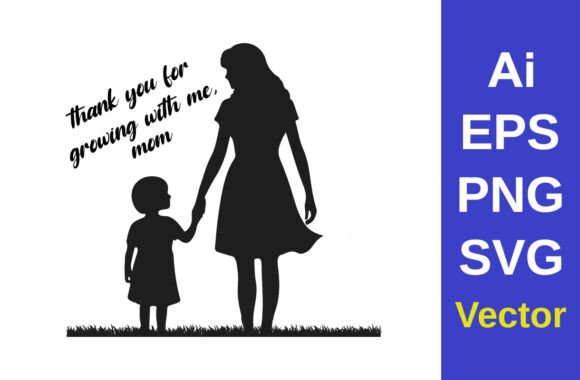
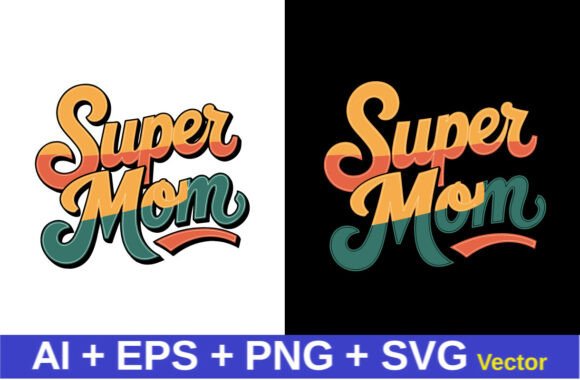
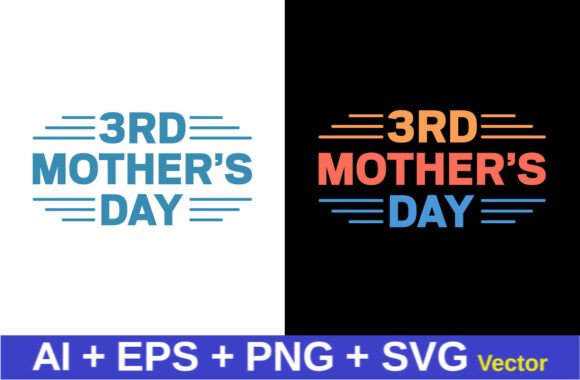
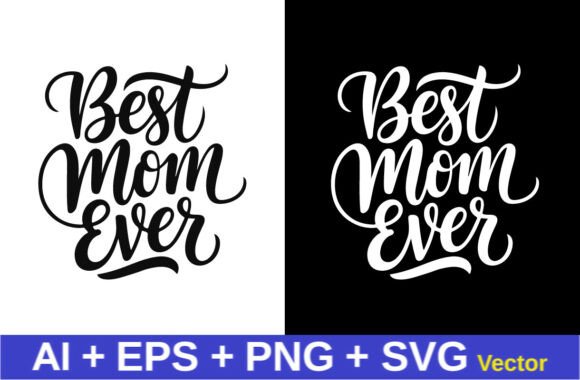
Upon opening the file, the Mom Tshirt Design, Mother s Day Vector presents a balanced composition that feels modern yet sentimental. The typography is bold enough to be legible from a distance, which is crucial for both print and stitch. In the realm of Crafts and Graphics, versatility is key, and this design succeeds by avoiding overly intricate shading that often gets lost in digitizing. The mood is celebratory but grounded, making it suitable for a wide demographic. As an Etsy seller or boutique owner, you can immediately visualize this on a cream sweatshirt or a navy tote bag. The vector format ensures that whether you are scaling it down for a baby onesie or up for a large back print, the edges remain crisp. This clarity is exactly what we look for when converting to a digital embroidery file, as jagged vectors result in poor stitch paths.
Real-World Application: The Custom Sweatshirt Test
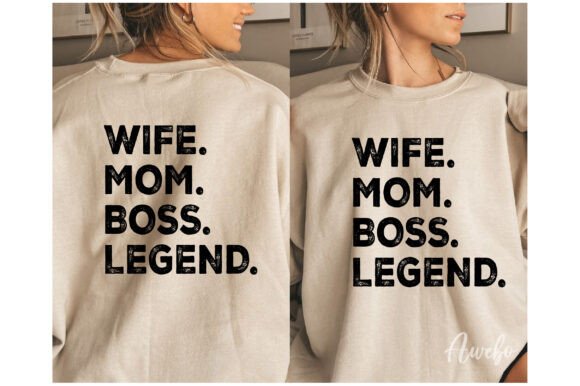
To truly judge this asset, I mentally placed it in a real-life production scenario: creating a premium sweatshirt embroidery piece for a Mother’s Day capsule collection. My goal was to move beyond basic ink and offer a textured, high-value item. Using the Mom Tshirt Design, Mother s Day Vector as a base, I envisioned adapting the solid fill areas into a fill stitch with a slight texture to mimic vintage athletic wear. The text elements would naturally convert to a satin stitch, providing that classic raised sheen that signifies quality custom apparel.
In this scenario, customer reaction hinges on perceived value. A printed shirt is standard; an embroidered piece feels like a personalized gift. However, because the original design was made for DTG, I had to consider stitch density carefully. If I were to stitch the vector exactly as drawn without modification, the dense ink areas would become bulletproof patches of thread on a soft fleece. By treating this graphic as a blueprint rather than a final map, I could open up the fills, reducing thread count while maintaining visual impact. This adaptation makes the finished garment softer and more wearable, directly influencing buyer satisfaction and repeat business for your craft business.
Navigating Fabric Limitations and Hoop Sizes
Not every surface is friendly to this specific aesthetic. While the Mom Tshirt Design, Mother s Day Vector is versatile, caution is required when moving away from stable cotton tees. I would advise against using this design "as-is" for baby embroidery on thin knits unless you significantly reduce the density or convert portions to an applique design. Babies have sensitive skin, and a dense satin stitch block derived from a print graphic can be scratchy and stiff.
Similarly, consider your hoop size constraints. Vectors often have expansive layouts that look great on a chest but may require reformatting for a 4x4 hoop commonly used for pockets or sleeves. If you are planning holiday embroidery on tea towels or kitchen linens, the design works beautifully because the fabric is stable. However, for stretchy activewear or ribbed tanks, the lack of inherent flexibility in standard lettering stitches could cause puckering. Always pair this design with appropriate stabilizer; a cut-away backing is non-negotiable for knit fabrics to prevent the design from distorting after washing. For commercial embroidery projects involving caps, remember that curved surfaces distort horizontal lines; you may need to arc the text within your digitizing software to maintain the professional look promised by the vector source.
Impact on Brand Value and Customer Trust
Using a well-structured vector like the Mom Tshirt Design, Mother s Day Vector elevates your output. Clean lines suggest professionalism. When a customer receives a tote bag design or an embroidered patch where the lettering is sharp and the spacing is consistent, it builds trust in your brand. Sloppy digitizing from low-resolution sources screams amateur. Because this asset starts as a high-quality vector, it gives your small shop product a polished foundation.
Furthermore, this design aids in marketing. Before you even stitch a sample, you can use the vector to create accurate printable mockups for your listings. This allows you to test market interest for a finished product before investing time in digitizing and sampling. Consistency across your digital previews and physical products creates a cohesive brand identity that buyers recognize and seek out. Whether you are selling the physical item or the design assets themselves, the integrity of the original artwork supports higher price points and better engagement.
Essential Designer Notes for Success
Before loading this design into your machine or listing it in your shop, adhere to these practical guidelines:
- Verify Licensing: Confirm whether the license permits creating digital embroidery files for resale or only physical end products. Never assume commercial rights extend to digitized derivatives without checking.
- Test Stitch Density: Since this is a print-first design, run a test on scrap fabric similar to your final project. Check if the thread colors blend well and if the coverage is too heavy for the fabric texture.
- Contrast Check: View the vector in black and white before digitizing. If details disappear without color, they will likely get lost in tone-on-tone embroidery. Adjust line weights accordingly.
- Stabilizer Selection: Match your backing to the garment weight. Use tear-away for stable woven items like aprons, and cut-away for stretchy knits to ensure the Mom Tshirt Design, Mother s Day Vector remains distortion-free.
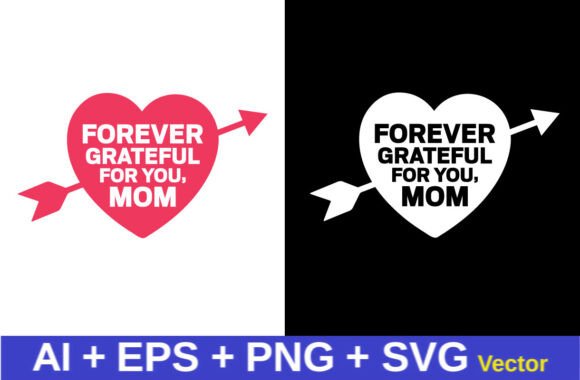
- Mockup Validation: Compare light and dark fabric backgrounds digitally. Some vectors rely on transparency effects that do not translate to thread; ensure your design reads clearly on all intended garment colors.
- Detail Inspection: Zoom in to 400% to check for overlapping nodes or tiny gaps. What looks fine in print can become a registration nightmare in embroidery.
The Mom Tshirt Design, Mother s Day Vector is a robust starting point for creators willing to bridge the digital-physical divide. It offers the aesthetic appeal needed for sales and the structural integrity required for production. By respecting the differences between ink and thread, and by applying thoughtful adaptation techniques, you can transform this graphic into a staple of your embroidery catalog. Remember, successful embroidery projects aren't just about pretty pictures; they are about technical execution that honors the medium. Treat this vector as a partner in your creative process, and your resulting handmade goods will reflect that level of care and expertise.