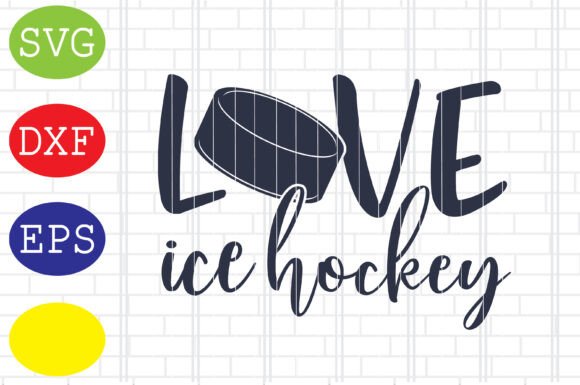
Love Ice Hockey SVG: An Embroidery Designer’s Review
As a professional embroidery designer and product reviewer, I approach every new digital asset with a critical eye. When evaluating the Love Ice Hockey Svg, my primary concern is not just how the graphic looks on a screen, but how it translates into thread on fabric. For those of us running a craft business, managing an Etsy shop, or creating personalized gifts for hockey families, the gap between a digital vector and a finished embroidered product is where reputation is built or lost. This review breaks down the practical realities of using this design in real-world production scenarios.
First Impressions and Visual Personality
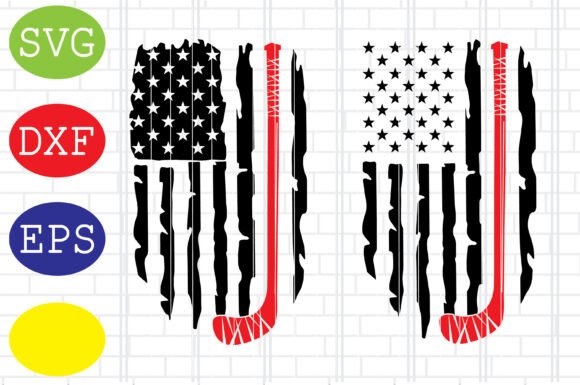
Upon opening the zip file containing the SVG, DXF, JPG, and EPS formats, the immediate impression of the Love Ice Hockey Svg is one of clean, thematic clarity. The integration of the word "Love" with iconic hockey elements like sticks creates a cohesive narrative that appeals directly to the winter sports niche. From a design perspective, the lines appear sufficiently bold to support stitching, which is a crucial factor often overlooked in generic graphics. Many winter sport designs suffer from overly intricate details that turn into thread nests when digitized; however, this layout suggests a balance that should accommodate both satin stitch borders and fill stitch interiors without excessive density.
The mood strikes a specific chord: it is nostalgic yet active. It avoids being overly cartoonish, making it versatile enough for adult apparel while remaining playful enough for youth items. For a designer sourcing assets for commercial embroidery projects, this visual flexibility is key. It does not pigeonhole you into selling only baby bibs or only varsity jackets; it spans the demographic spectrum effectively.
Real-World Application: The Custom Sweatshirt Test
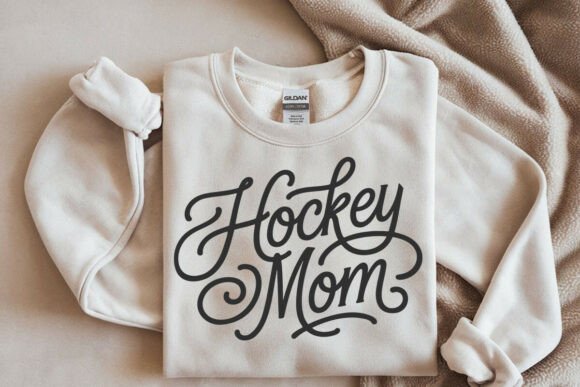
To truly evaluate this asset, I mentally placed it in a current client scenario: producing custom crewneck sweatshirts for a local youth hockey league fundraiser. In this context, the Love Ice Hockey Svg serves as more than just decoration; it is a value-driver for the merchandise. Sweatshirt embroidery requires careful consideration of fabric texture and stretch. Fleece and French terry are unforgiving surfaces where thin lines disappear and dense areas cause puckering.
In this application, the design’s structure allows for strategic digitizing. If utilizing the SVG as a guide for an applique design, the hockey stick elements provide excellent coverage for fabric patches, reducing overall stitch count and keeping the garment soft. Alternatively, if executing a full-stitch version, the bold typography ensures readability from a distance in a crowded rink. For an Etsy seller listing these sweatshirts, the design offers high recognition value. Customers scrolling through feeds need to instantly identify the theme, and the clear silhouette of this graphic achieves that instant communication necessary for conversion.
Navigating Fabric Challenges and Hoop Limitations
While the Love Ice Hockey Svg shows promise, experienced makers must exercise caution regarding placement and substrate. Not all fabrics welcome this level of detail equally. I advise testing this design carefully on textured fabrics like pique knits or waffle weaves. The interplay between the "Love" script and the linear geometry of the hockey sticks can get lost if the fabric texture competes with the stitch definition. On dark fabrics, ensure your digitizing software accounts for underlay; otherwise, the top thread may sink into the material, dulling the vibrant contrast needed for winter sport aesthetics.
Hoop size is another critical variable. While the vector files are scalable, embroidery physics are not. Resizing this design down for a small item like a baby hat or cuff requires scrutiny. Tiny lettering or narrow stick handles may become illegible or cause needle breaks if reduced below a certain threshold. Conversely, scaling up for a large tote bag design or pillow cover demands increased stitch density to prevent gaps. Always verify that your specific machine embroidery design software can intelligently recalculate stitch paths when resizing, rather than simply stretching existing stitches. For curved surfaces like caps, the horizontal span of the text-and-stick combination may require distortion correction to prevent the design from wrapping awkwardly around the crown.
Technical Considerations for Digital Assets
The inclusion of multiple file types (SVG, DXF, JPG, EPS) in the single zip download adds significant utility for creative entrepreneurs. However, users must understand the distinct role of each format in the embroidery workflow. The JPG serves as an excellent reference for color matching and creating printable mockups for client approval or shop listings. The EPS and SVG files are ideal for importing into digitizing software to create a proprietary machine embroidery design. The DXF format offers compatibility for those using cutting machines in conjunction with embroidery for mixed-media applique projects.
A vital note for buyers: always check licensing before selling. While the product description lists the file contents, it does not explicitly detail commercial usage rights for finished products versus digital redistribution. As a responsible small shop product creator, confirm whether you can sell physical embroidered goods versus reselling the digital embroidery file itself. Protecting your business means respecting intellectual property boundaries. Furthermore, because specific stitch counts and hoop sizes are not provided with these vector graphics, you must perform your own technical validation. Never assume a vector converts perfectly to stitches without manual adjustment for tension, pull compensation, and trim jumps.
Elevating Product Value and Customer Trust
Using the Love Ice Hockey Svg thoughtfully can significantly enhance the perceived value of handmade products. Professionalism in embroidery comes from crisp registration, appropriate stabilizer use, and designs that look intentional rather than slapped on. When a customer receives a personalized gift featuring this design, they are judging the tactile quality as much as the visual appeal. A well-executed version of this graphic on a kitchen towel or apron signals that the maker understands the intersection of sport culture and textile craft.
For digital product sellers offering pre-digitized versions based on this art, providing detailed specs is non-negotiable. List the exact hoop size, recommended stabilizer type, and thread colors used in your sample. This transparency builds buyer engagement and reduces customer service inquiries. Whether you are creating holiday embroidery for seasonal sales or year-round boutique branding, consistency in how you render this design establishes a recognizable style. Buyers return to shops where they know the stitching will hold up to washing and wear.
Practical Designer Notes for Success
Before committing the Love Ice Hockey Svg to a final project, adhere to these professional best practices:
- Test on Scrap Fabric: Never run a new design directly on a client’s garment. Stitch out on similar weight and texture scrap material first to check for registration issues or density problems.
- Evaluate Contrast: Test the design in black and white mockups to ensure the hierarchy of the text and hockey elements remains clear without relying solely on color differentiation.
- Stabilizer Selection: Match your stabilizer to the fabric weight. Stretchy knits require cut-away backing; woven cottons for tea towels may suffice with tear-away. Proper stabilization prevents the hockey sticks from looking crooked after washing.
- Detail Inspection: Zoom in on the connection points between the text and the sticks. Ensure there is adequate space between elements to prevent thread buildup or perforation of the fabric.
- Commercial Verification: Double-check license terms specifically for your intended use case, whether that is selling physical embroidered patches or listing digital assets.
- Mockup Accuracy: Use realistic printable mockups that show fabric grain and shadow. Flat, sterile vectors do not accurately represent how a satin stitch reflects light on a finished product.
Ultimately, the Love Ice Hockey Svg represents a solid foundation for winter-themed embroidery projects. Its success depends entirely on the maker's technical skill and attention to material reality. By treating this graphic as a starting point for professional digitizing rather than a plug-and-play solution, designers can create exceptional custom apparel and gifts that resonate deeply with the hockey community. The difference between a mediocre craft and a premium product lies in these deliberate, informed decisions made long before the needle pierces the fabric.