Mom Tshirt Design: A Vector Review for Embroidery
As a professional designer who bridges the gap between digital graphics and tangible textiles, I approach every new asset with a critical eye. When evaluating the Mom Tshirt Design, Mothers Day Vector, my first thought isn't just about how it looks on a screen, but how it will translate through a needle and thread. While this product is explicitly marketed for screen printing and digital DTG printing, experienced makers know that high-quality vectors are often the best foundation for digitizing custom machine embroidery designs. The clean lines and scalable nature of vector graphics provide a superior roadmap for creating embroidery files compared to raster images, which can lose definition when resized.
First Impressions and Visual Personality
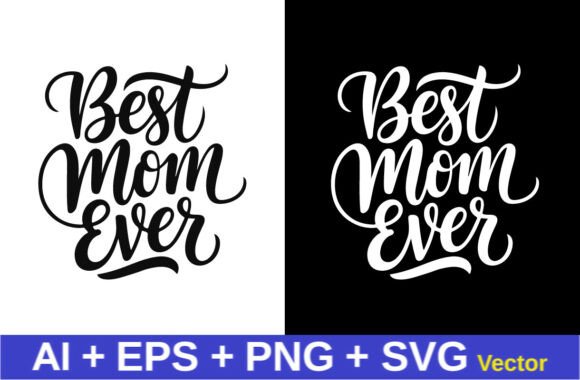
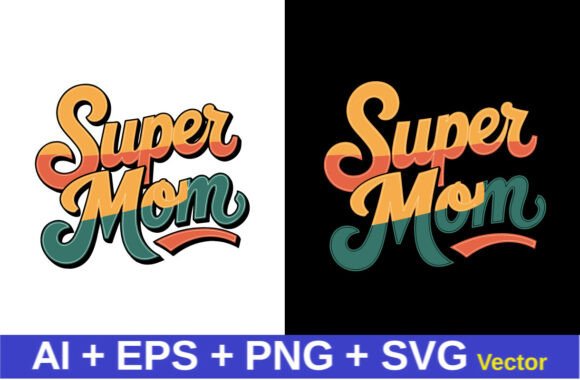
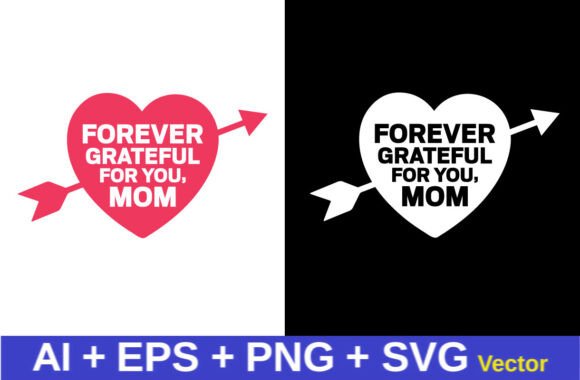
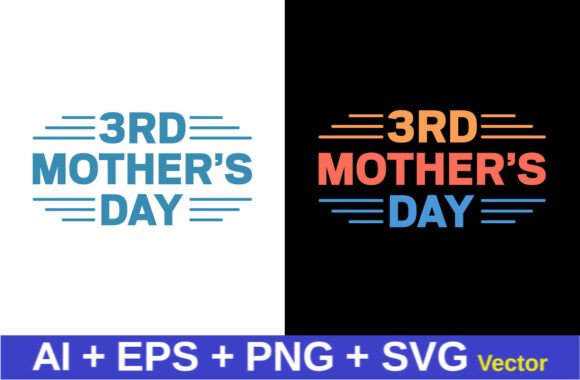
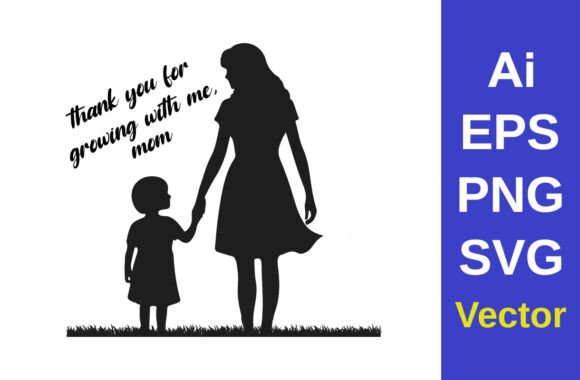
Upon opening the file, the design immediately communicates warmth and accessibility. The aesthetic strikes a balance between modern typography and classic sentimentality, making it versatile for various demographics. It avoids the overly cursive, illegible scripts that plague many holiday designs, opting instead for shapes and letterforms that suggest clarity. For an embroidery project, this legibility is paramount. The visual weight feels substantial enough to support satin stitch borders without becoming too dense, and the negative space is well-distributed, preventing the "bulletproof" stiffness that can ruin a soft garment.
The mood is celebratory yet grounded, fitting perfectly into the Crafts category while maintaining the professional polish expected of premium Graphics. It doesn't scream "generic clip art"; rather, it feels like a curated piece of commercial embroidery artwork ready for adaptation. Whether you are an Etsy seller looking for your next bestseller or a hobbyist making a personalized gift, the design’s inherent structure suggests it was created with production in mind.
Real-World Application: The Sweatshirt Test
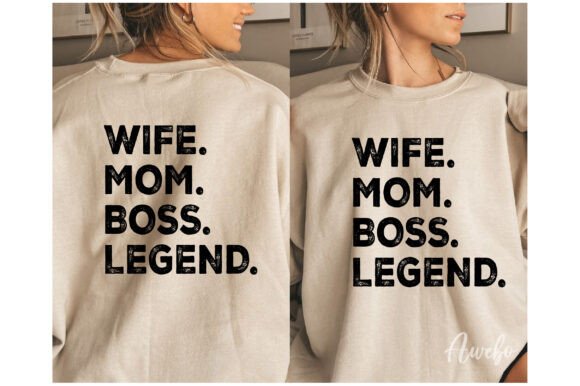
To truly judge this asset, I mentally placed it in a real-life scenario: preparing a custom embroidered sweatshirt for a boutique spring collection. Sweatshirts present unique challenges due to their fleece backing and stretchy knit face. In this context, the Mom Tshirt Design, Mothers Day Vector shines because of its adaptable geometry.
When converting this vector for sweatshirt embroidery, the bold elements allow for a modified fill stitch that reduces stitch count while maintaining coverage. Unlike intricate vintage illustrations that require thousands of stitches and heavy stabilizer, this design’s cleaner lines mean less puckering on unstable fabrics. I envision this centered on a crewneck, sized around 4x4 inches. The simplicity ensures that even after washing and wearing, the design remains recognizable and intact. For a small shop product, this translates to higher perceived value; customers appreciate embroidery that feels integrated into the fabric rather than sitting heavily on top of it.
Furthermore, this design works exceptionally well as a tote bag design. Canvas totes are stable, forgiving substrates that handle higher stitch densities. Here, you could utilize the full detail of the vector, perhaps adding decorative running stitch accents or texture fills that wouldn't be possible on a stretchy t-shirt. This versatility makes it a valuable asset for creative entrepreneurs managing diverse inventory.
Navigating Fabric Limitations and Hoop Sizes
While the design is robust, practical judgment requires acknowledging where caution is needed. Because this is originally intended for print, some vector details may be too fine for standard embroidery needles. If you plan to use this for baby embroidery or lightweight knits, you must simplify. Tiny serifs or thin connecting lines in the vector should be thickened or removed during the digitizing process to prevent thread breaks and ensure stitching clarity.
Be particularly mindful when working with textured fabrics like terry cloth or pique. The open areas of the design might get lost in the pile. In these cases, using an applique design technique or a knockdown stitch underneath the main elements can preserve the integrity of the Mom Tshirt Design, Mothers Day Vector. Additionally, consider your hoop size constraints. If you are limited to a 4x4 hoop, verify that the aspect ratio allows for resizing without distorting the text. Never stretch a design disproportionately just to fit a hoop; it destroys the professional finish.
Dark fabrics also demand attention. Since vectors don't carry inherent thread color data, you must test contrast. A white or cream thread on a navy sweatshirt offers classic visibility, but if the design relies on subtle shading for depth, that nuance will be lost in embroidery. Stick to solid, high-contrast thread colors to maintain the graphic impact.
Impact on Business Value and Customer Trust
For those running a craft business or selling on platforms like Etsy, the quality of your source material directly influences buyer engagement. Using a polished vector base for your digital embroidery file signals professionalism. Customers can tell the difference between a jagged, auto-digitized mess and a thoughtful adaptation of a clean graphic. This design supports brand consistency; it looks intentional and cohesive, which builds trust.
Moreover, the "Mom" theme has evergreen commercial potential beyond just Mother's Day. By adjusting thread colors or pairing it with different fonts, this single asset can serve as a staple for new mom gifts, grandma appreciation items, or even bridal party merchandise. This longevity maximizes your return on investment. When presenting finished products, use printable mockups derived from the original vector to show clients exactly what to expect before you stitch a single sample. This reduces waste and aligns expectations.
Essential Notes for the Embroidery Designer
Before you load this design into your software or machine, adhere to these practical protocols to ensure success:
- Verify Licensing: Confirm whether your purchase includes rights for commercial embroidery. Some licenses cover print but restrict stitched goods or the resale of the digital embroidery file itself.
- Test Stitching is Mandatory: Always run a test on scrap fabric that matches your final project. Check for registration issues between color changes and ensure the stitch density isn't causing fabric distortion.
- Evaluate Stabilizer Needs: For t-shirts, use a cut-away stabilizer to support the knit. For towels or caps, tear-away or water-soluble toppings may be necessary to keep the design crisp.
- Check Small Details: Inspect the vector at 100% zoom. Any line thinner than 1mm in the artwork likely needs to be converted to a running stitch or removed entirely for safe embroidery.
- Mockup in Black and White: Viewing the design in grayscale helps identify value contrast issues that color might hide. If the design reads poorly in B&W, it will stitch poorly.
- Confirm File Compatibility: Ensure the vector format (AI, EPS, SVG) imports cleanly into your specific embroidery software. Sometimes converting to DXF or PLT first resolves node issues.
Ultimately, the Mom Tshirt Design, Mothers Day Vector is a strong contender for both personal projects and commercial collections. Its strength lies in its adaptability. By respecting the differences between print and stitch, and by applying professional digitizing standards, you can transform this graphic into a beautiful, durable embroidered patch, apparel accent, or keepsake. Remember that great embroidery is 50% art and 50% engineering; let this vector be your blueprint, but let your machine knowledge guide the final execution.